Kufstein Fortress: 800 Years Old and Still Ready for the Spotlight
Last updated on 28.10.2026 | Kufsteinerland
One of Austria’s Most Beautiful Places in 2026 is perched high above Kufstein. Why it’s worth a visit—and what Emperor Maximilian, Wanda, and an organ with 4,948 pipes have in common.
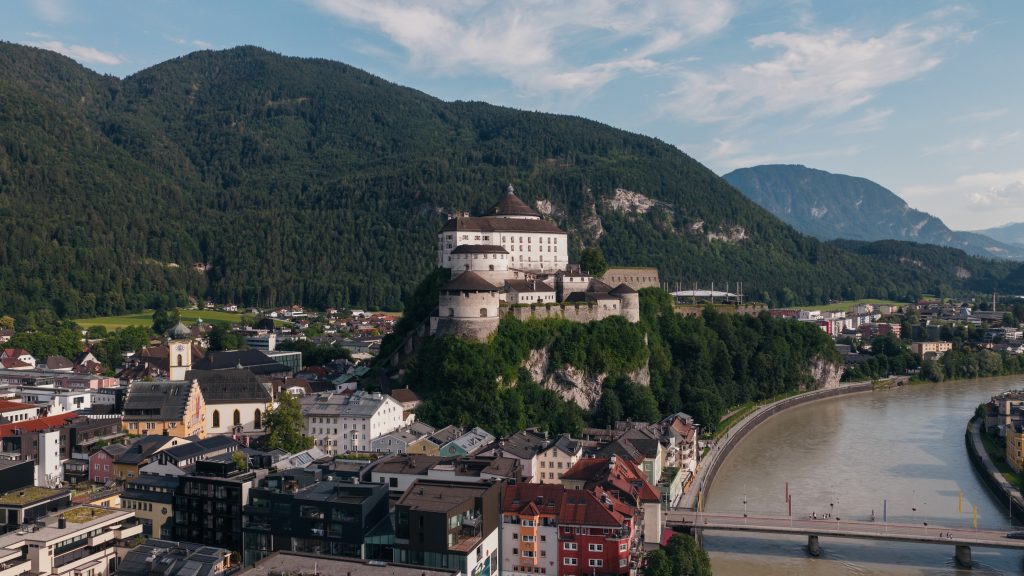
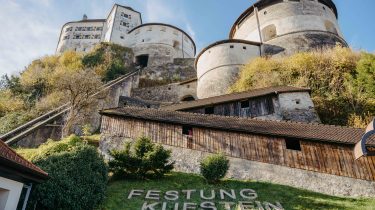
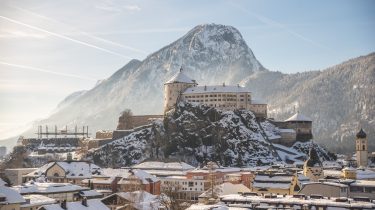
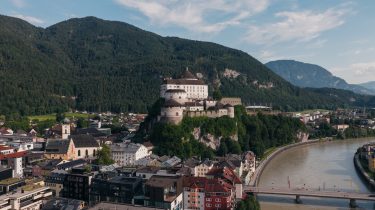
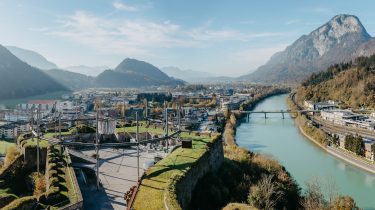
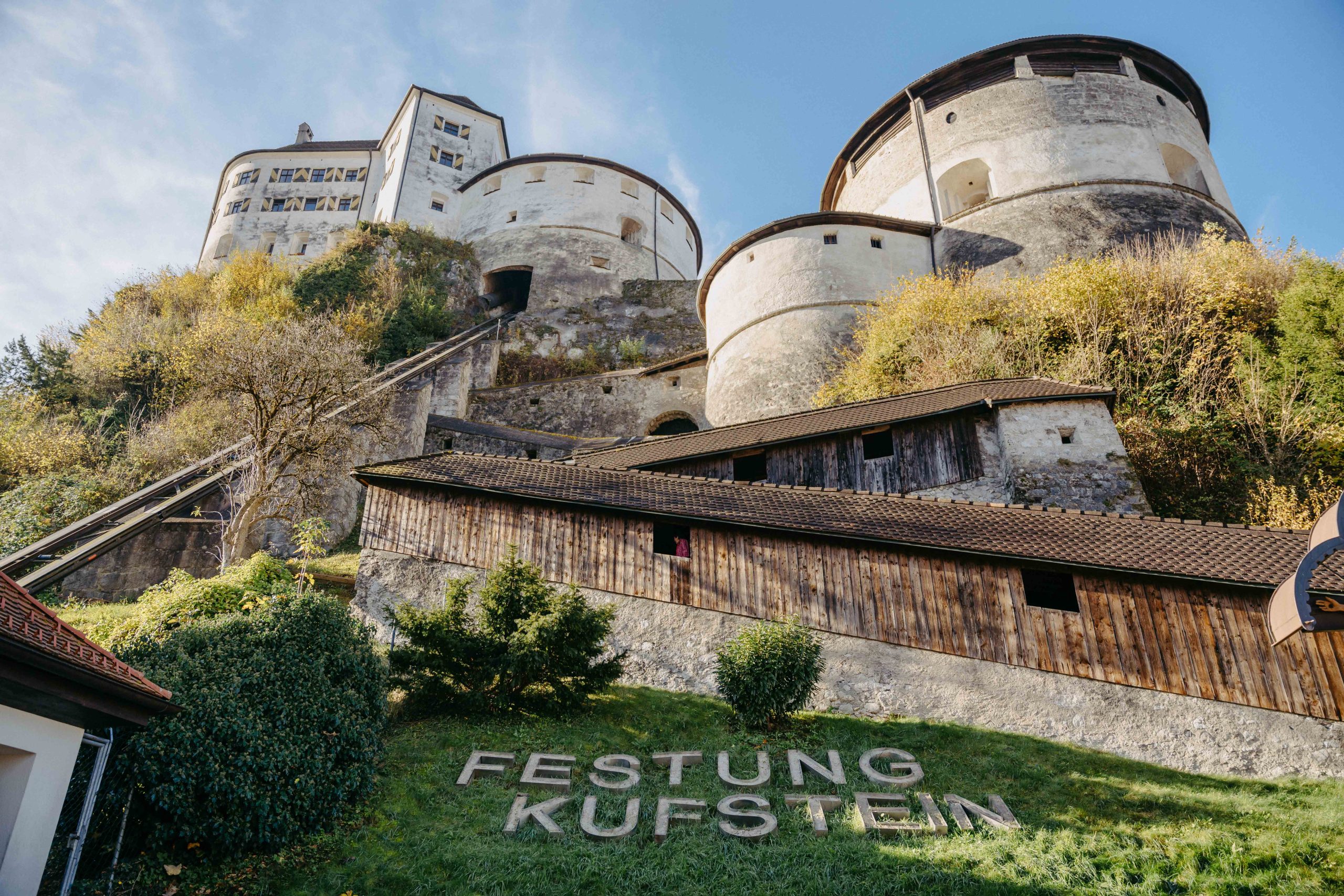
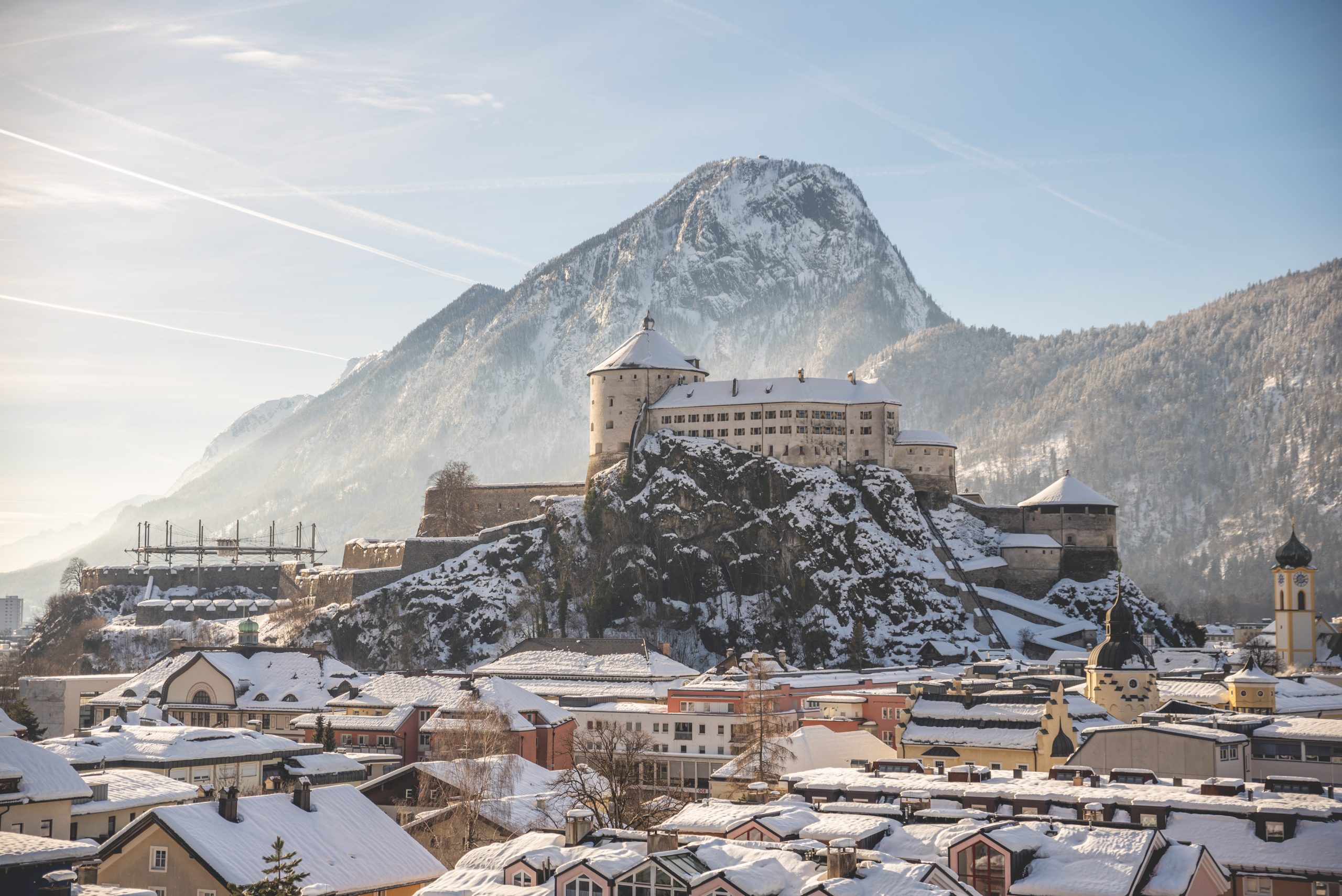
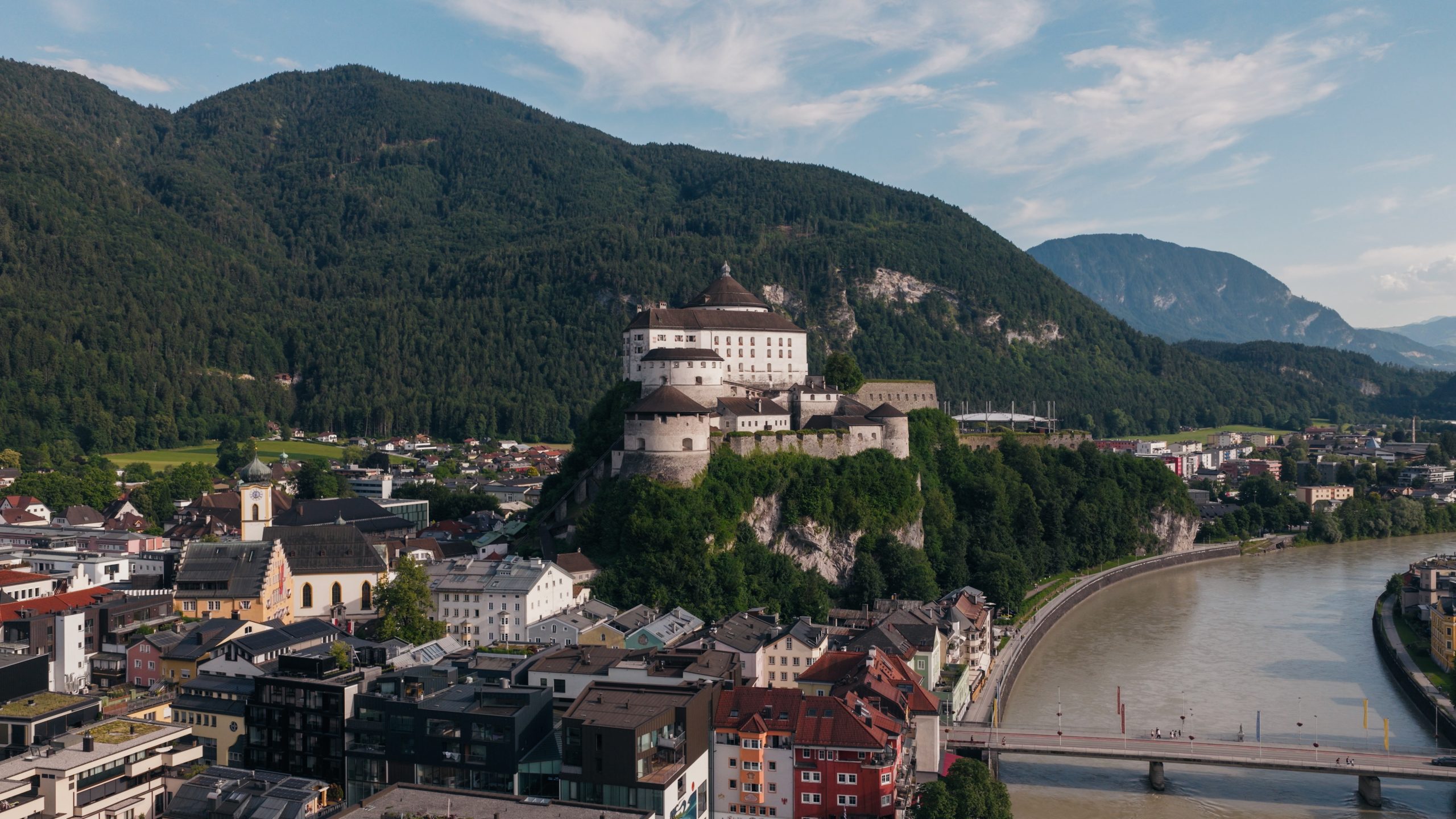
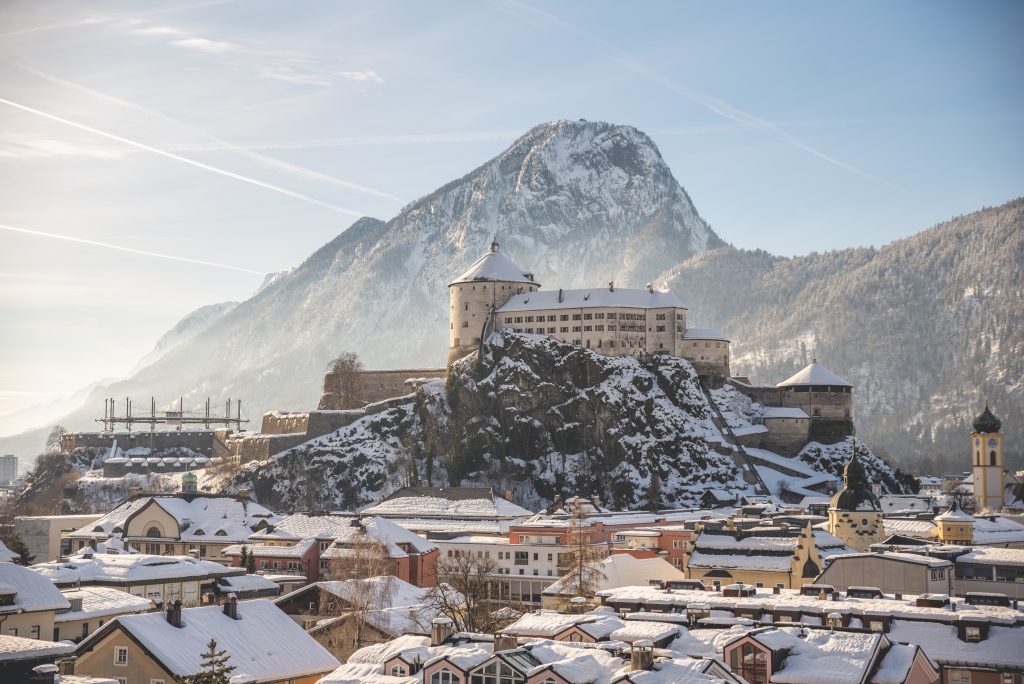
Anyone driving from Munich toward Innsbruck on the Inntal Autobahn or traveling by train through Kufstein is familiar with this sight: the mighty fortress towers high above the Inn River, its towers and walls visible from afar. A quick glance out the window, perhaps a thought of times gone by—and the journey continues. But it’s worth getting off the bus here for a moment. Because behind those ancient walls lies far more than the silhouette suggests.
In 2026, Kufstein Fortress was named one of Austria’s nine most beautiful places as part of the ORF program “9 Places – 9 Treasures”—a special recognition for this historic landmark high above the Inn River. It’s a great opportunity to discover a place that, after a long slumber, is now one of Tyrol’s most-visited attractions.
Of Emperors, Cannons, and an Unusual Wedding Gift
The fortress’s history dates back more than 800 years. First mentioned in a document as early as 1205, it served for centuries as a strategically important border post between Bavaria and Tyrol. Its ownership changed hands several times—and not all of these changes were the result of war. In the 14th century, the fortress even became a wedding gift for the Tyrolean Duchess Margarete “Maultasch.”
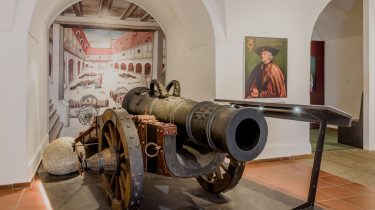
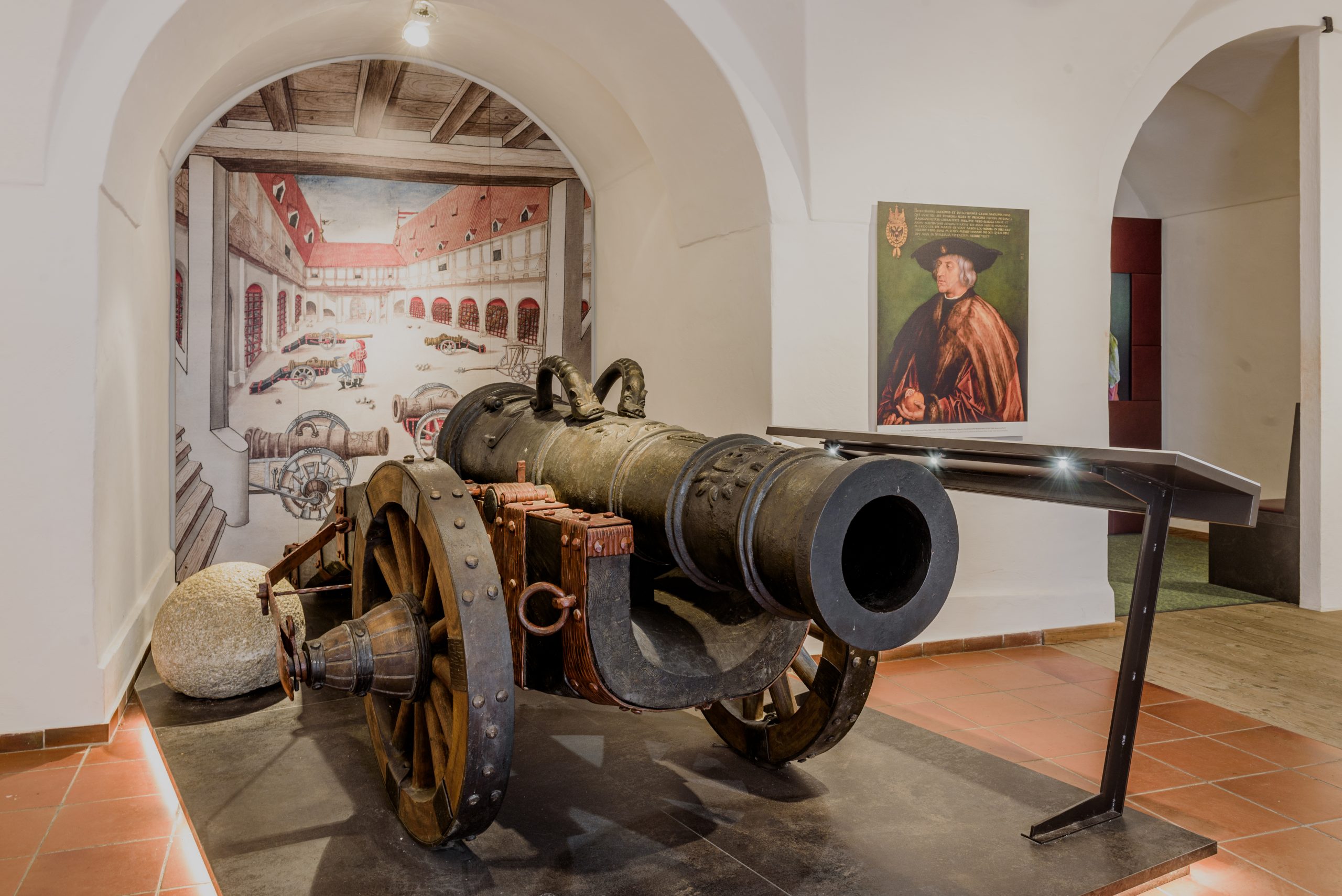
Things took a less romantic turn in 1504, when Emperor Maximilian I conquered the fortress and subsequently had it expanded into a mighty defensive structure. The imposing Emperor’s Tower still serves as a reminder of this era today. Later, the fortress also served as a state prison. After World War I, the Republic of Austria finally parted ways with the historic structure: the city of Kufstein acquired the fortress in exchange for several hectares of forest. It has been city-owned since 1924.
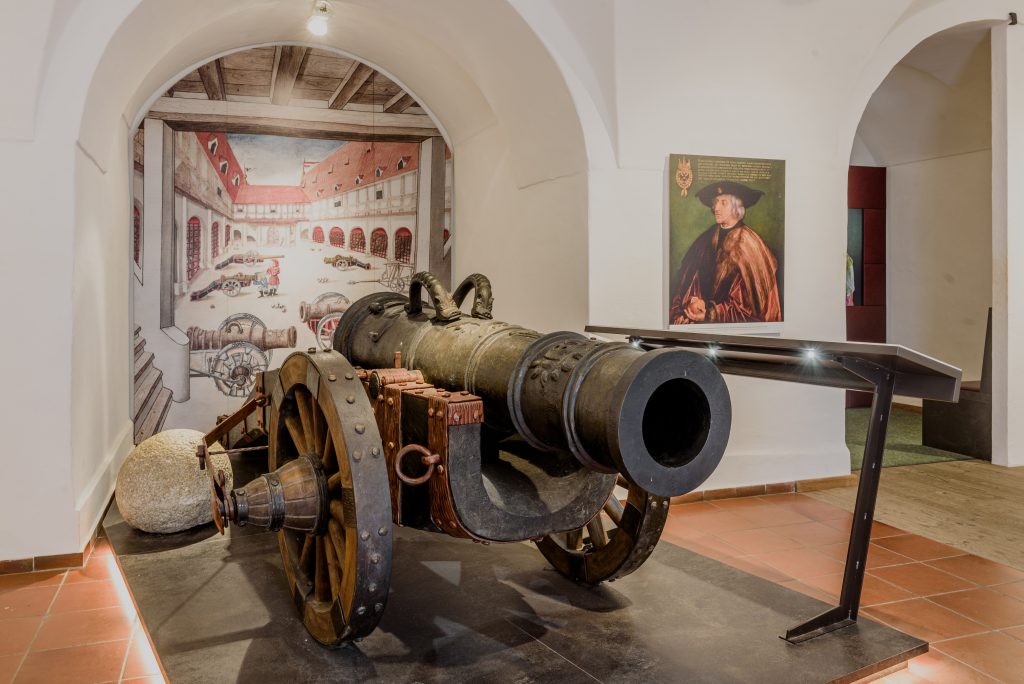
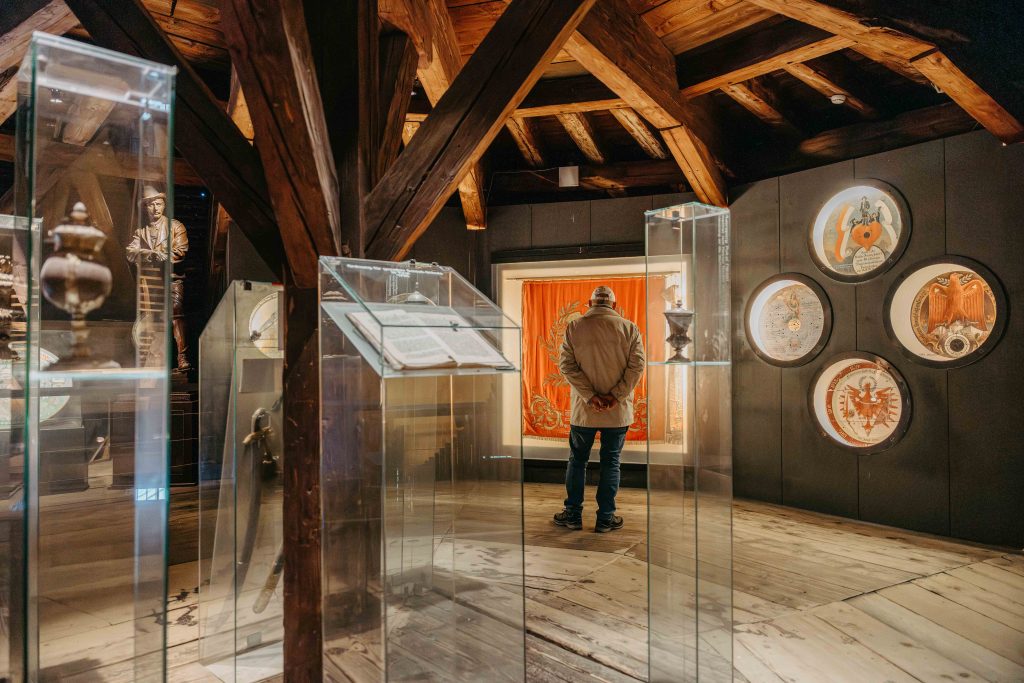
24,000 square meters of history—and a new lease on life
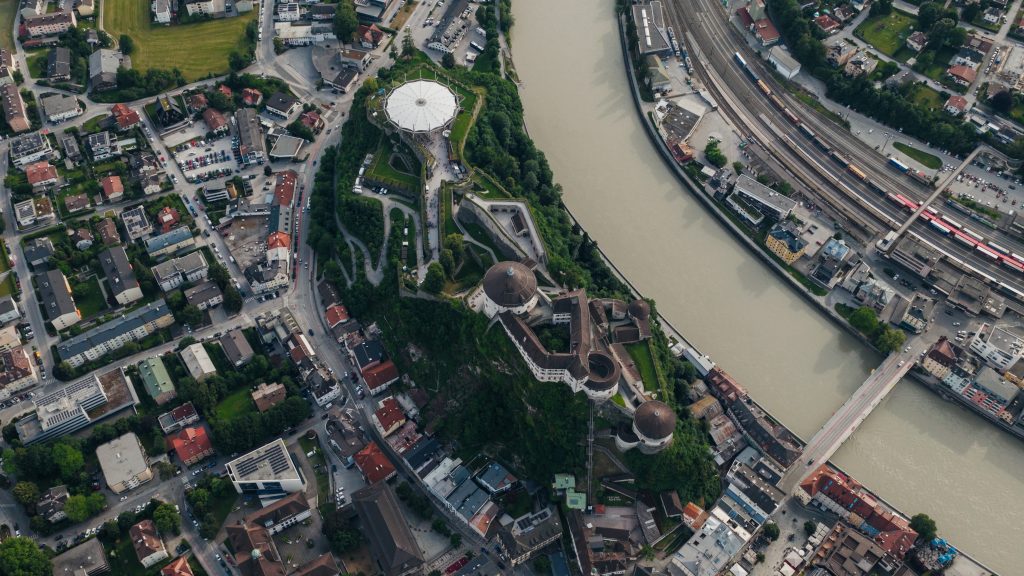
For a long time, things remained quiet behind the mighty walls. It wasn’t until the early 1990s that a comprehensive revitalization began, gradually awakening the fortress from its slumber. The historic structure was preserved, the site was developed for tourism, and new uses were created. Today, around 180,000 people visit Kufstein Fortress each year. This makes it one of Tyrol’s most-visited attractions and a major destination in the Tyrolean lowlands.
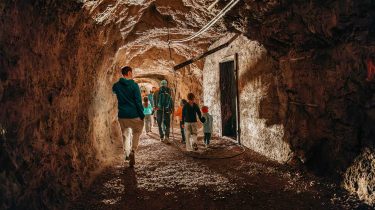
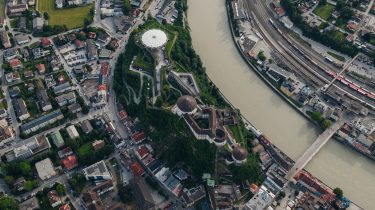
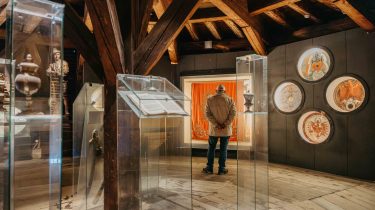
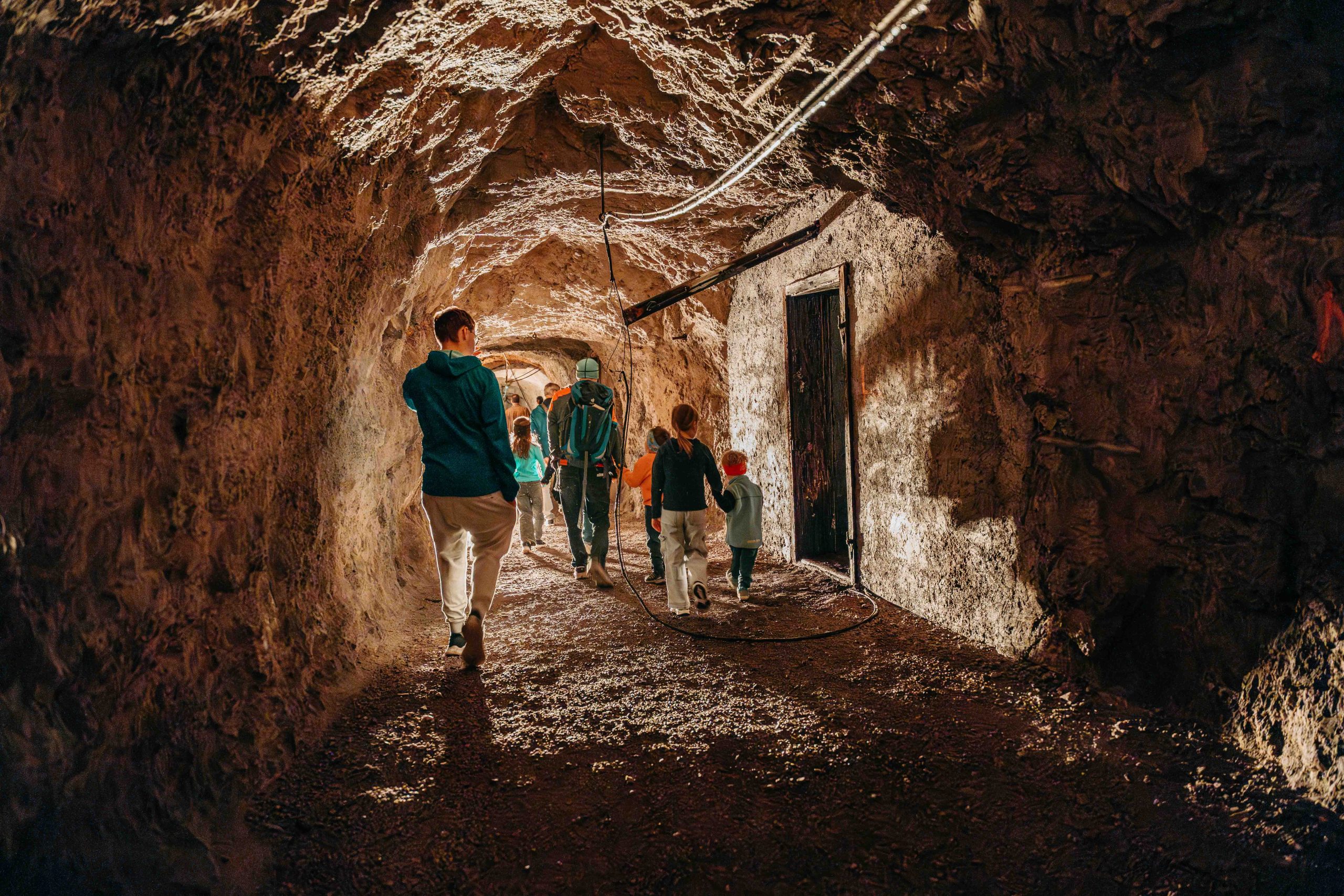
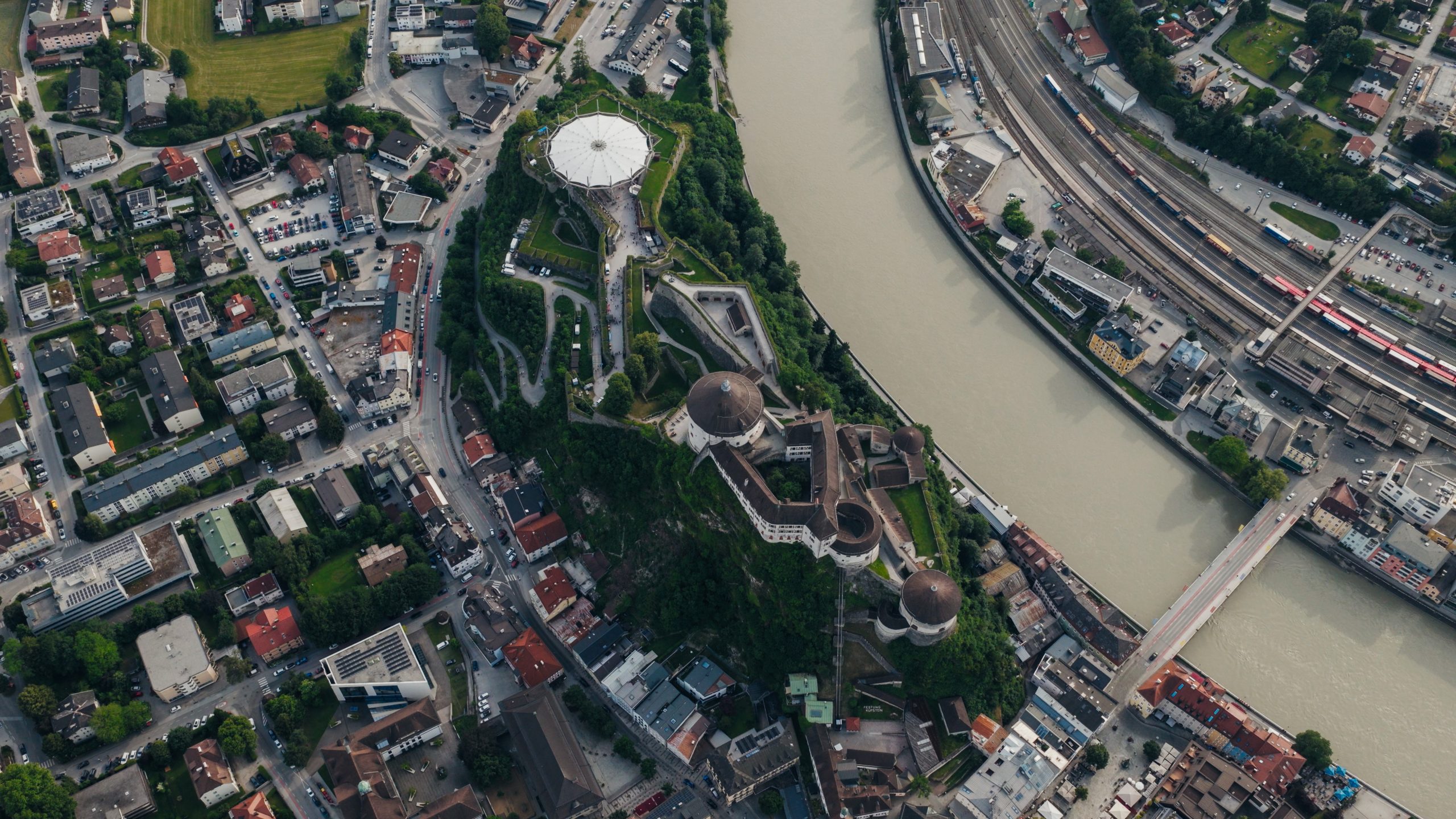
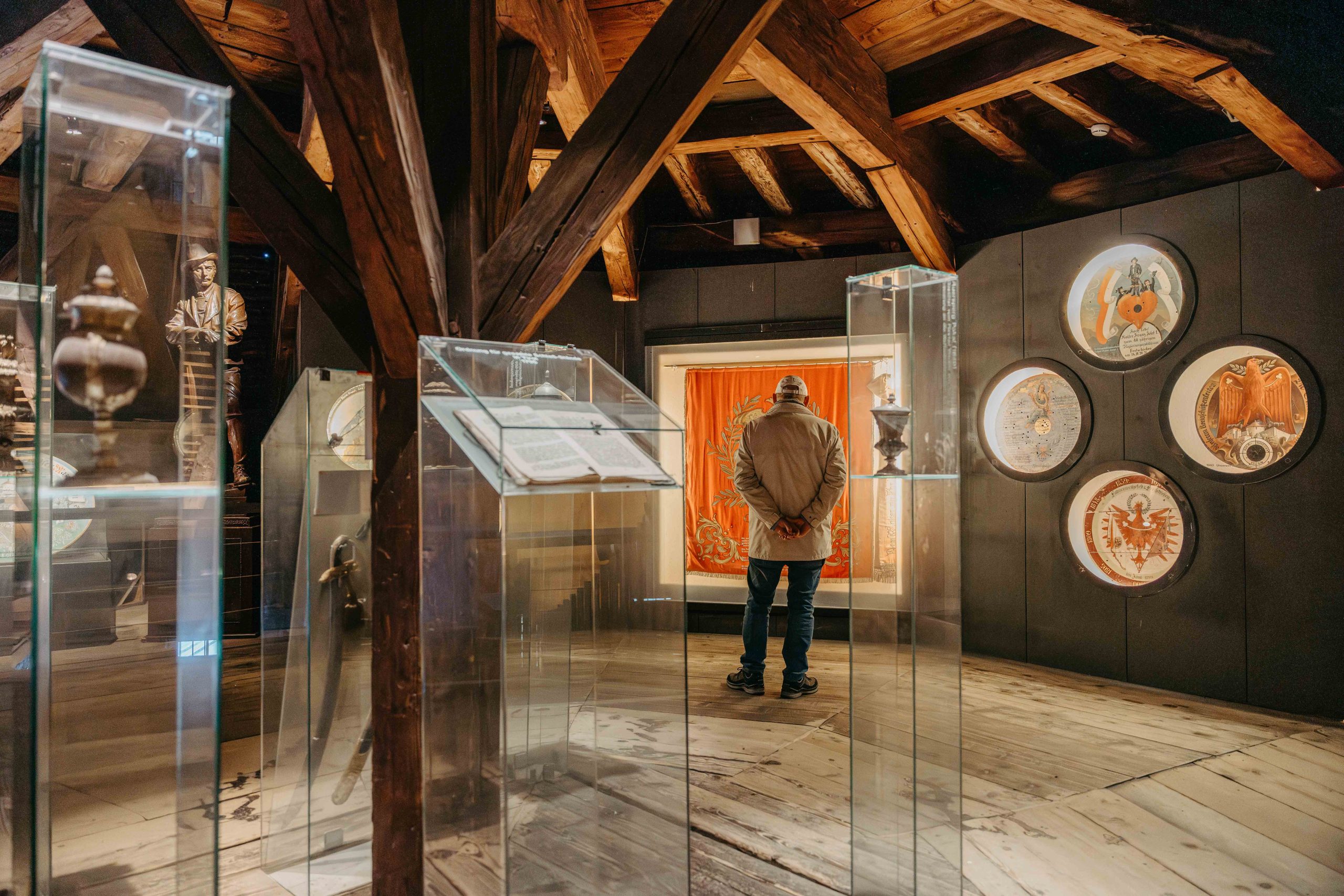
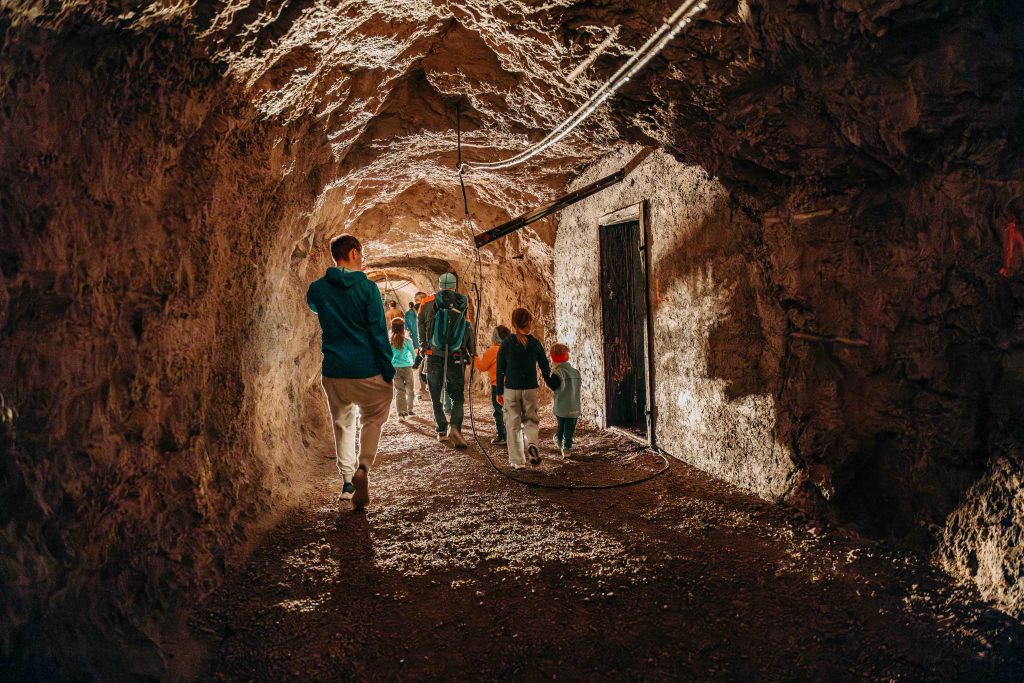
Visitors exploring the fortress have plenty of space to do so: the historic site on the cliff, a good 90 meters above the city, covers approximately 24,000 square meters. A self-guided tour takes visitors through the complex via 21 stations. Passing by massive fortification walls, the route leads to exhibitions and historic sites. A peek into the freshwater well—which is about 60 meters deep—is just as much a part of the experience as exploring the mysterious underground rock passage.
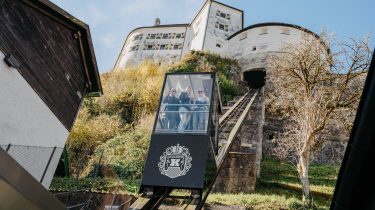
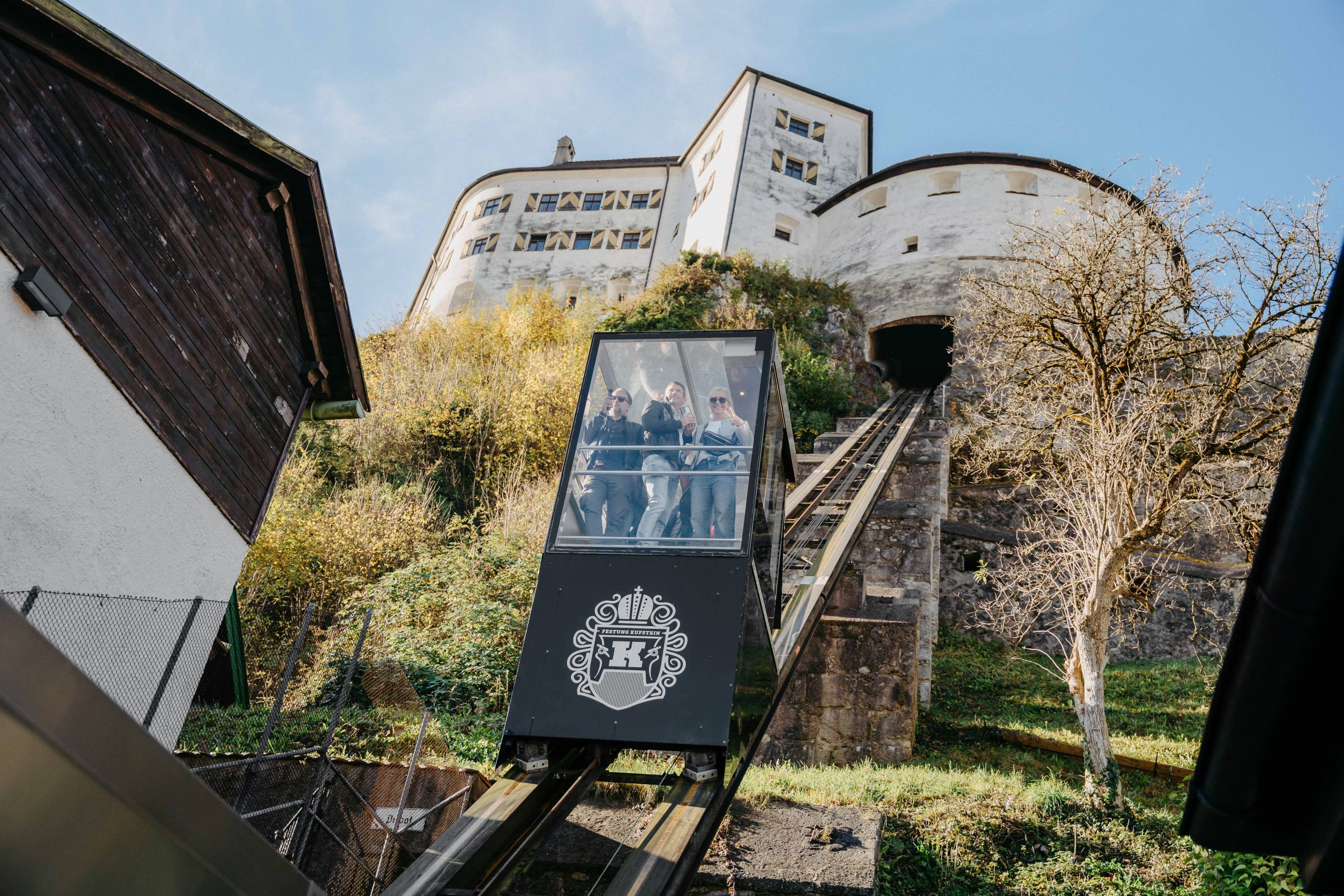
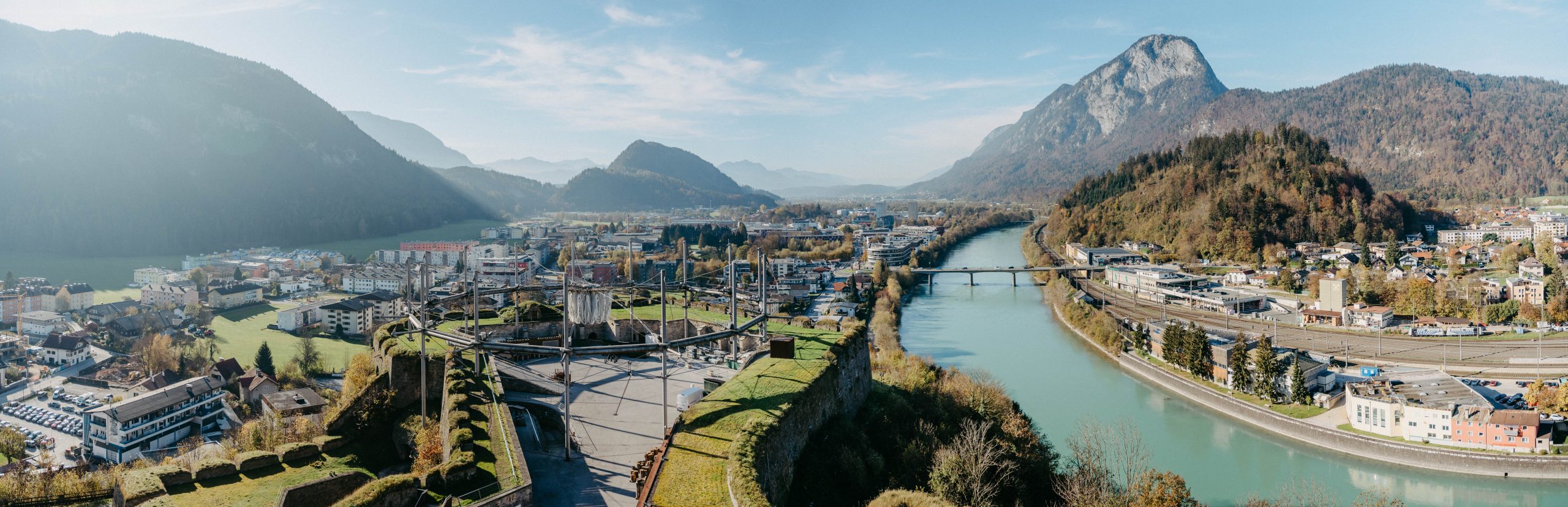
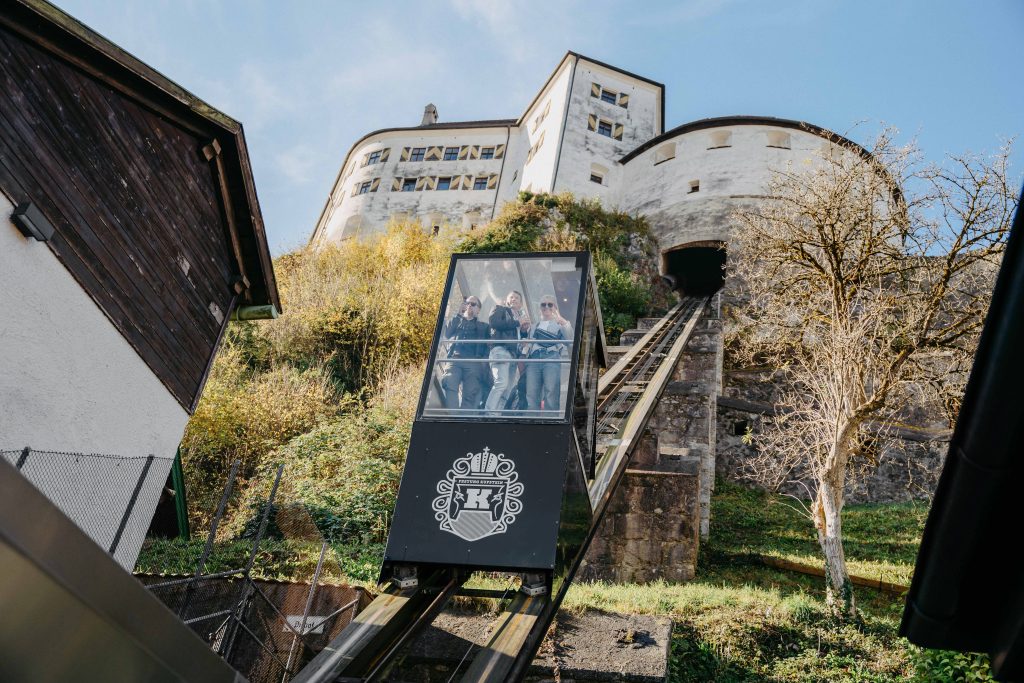
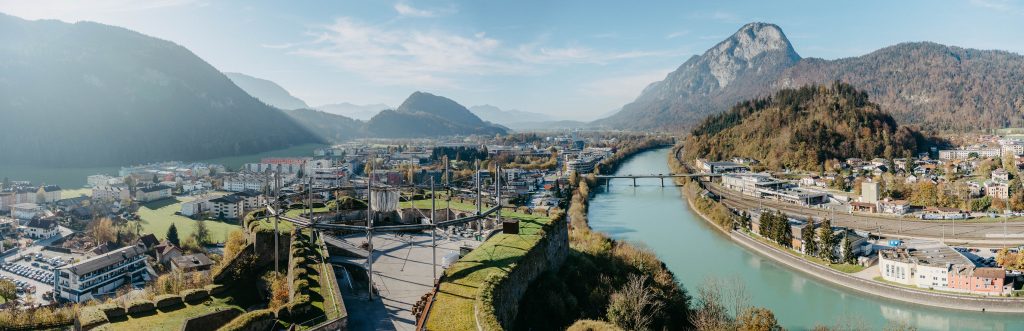
Fortunately, the climb is less arduous today than it was in Maximilian’s time. The panoramic cable car comfortably transports visitors up to the fortress. At the top, the view opens up over the rooftops of the Old Town, the Inn River, and the surrounding mountains. And suddenly it becomes clear why this spot was so coveted for centuries: anyone standing up here had the entire Inn Valley in view.
Where cannons once thundered, music now plays
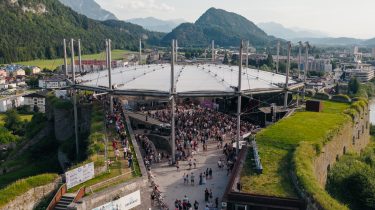
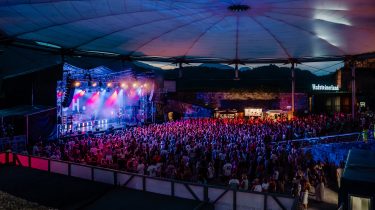
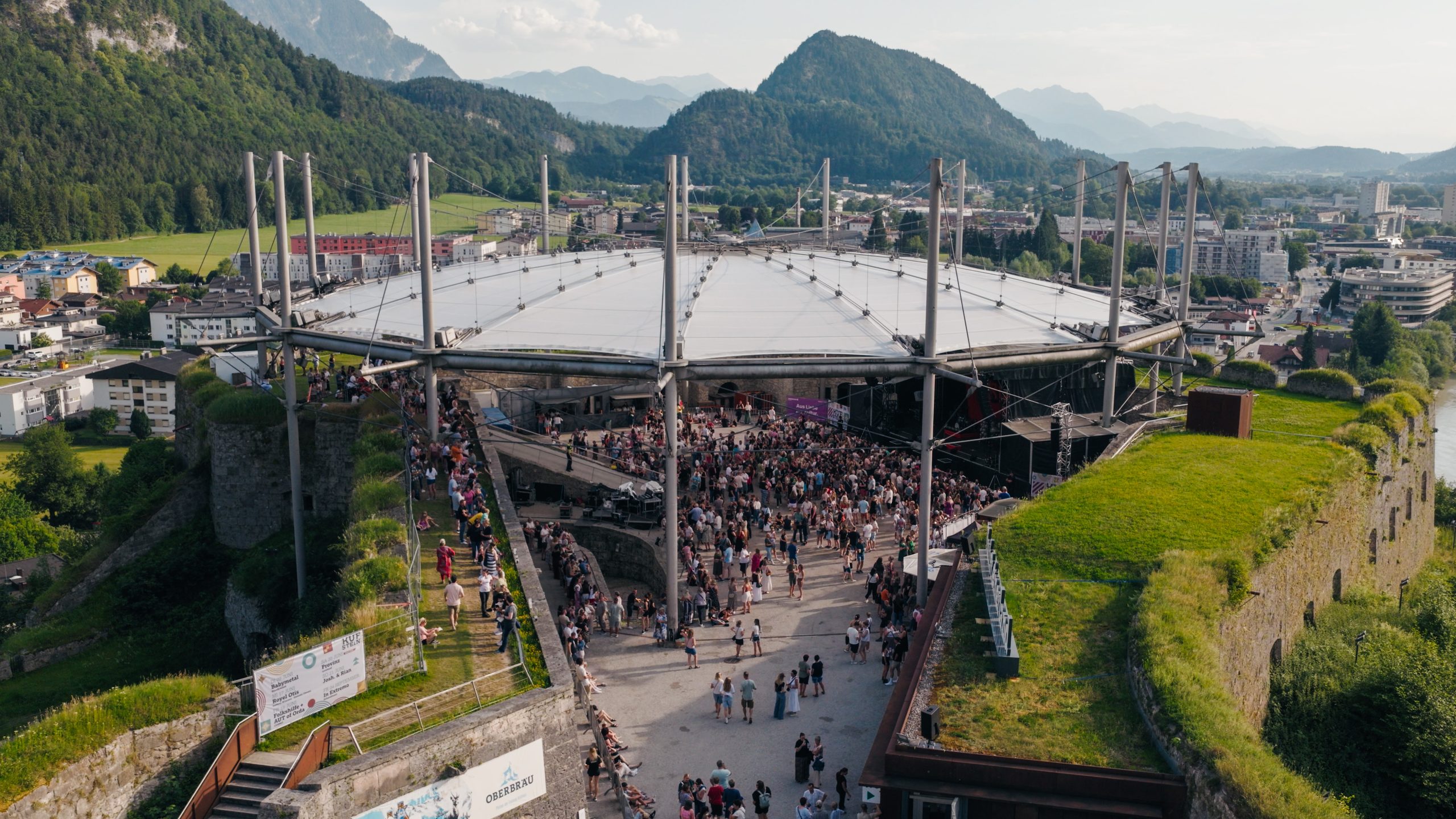
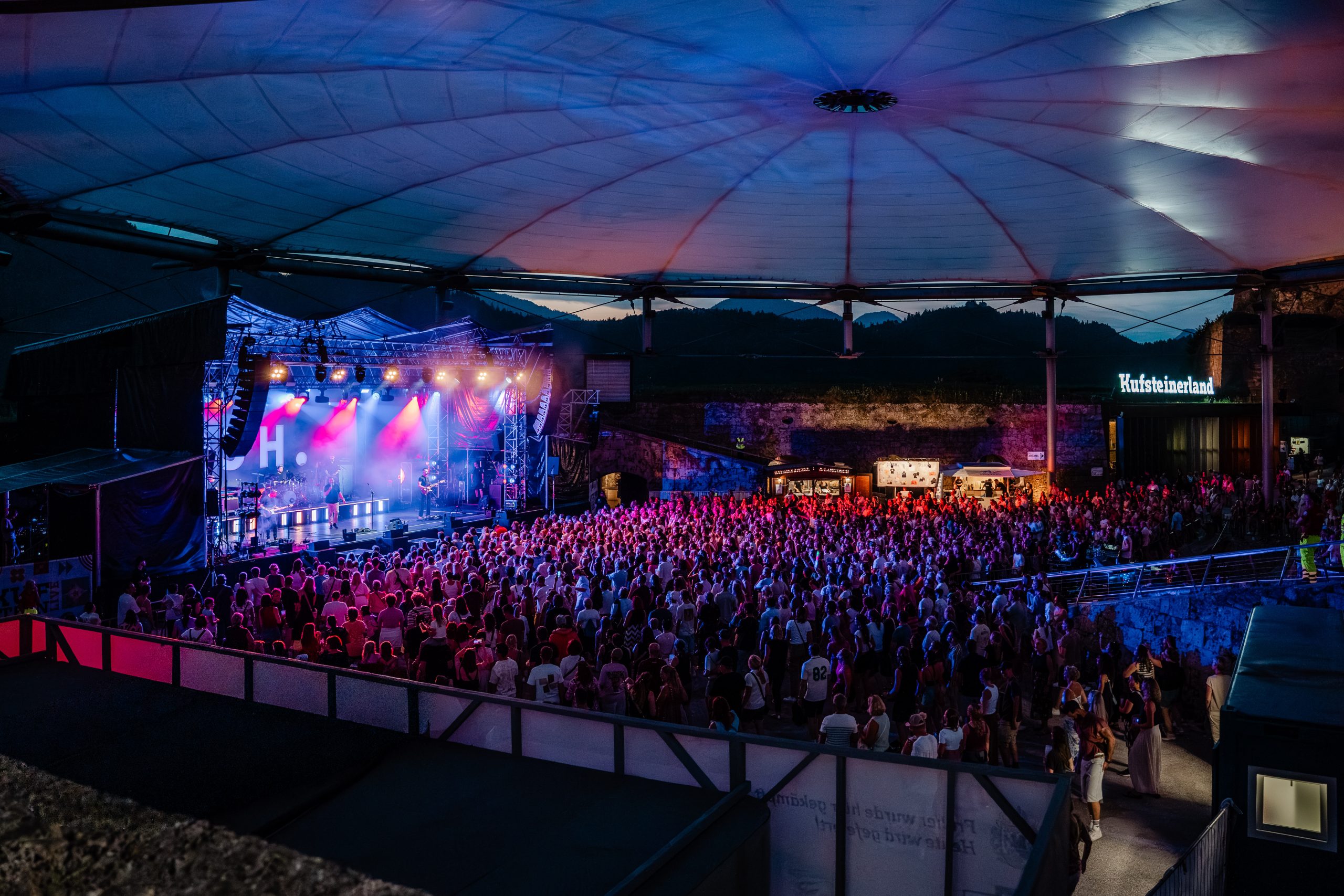
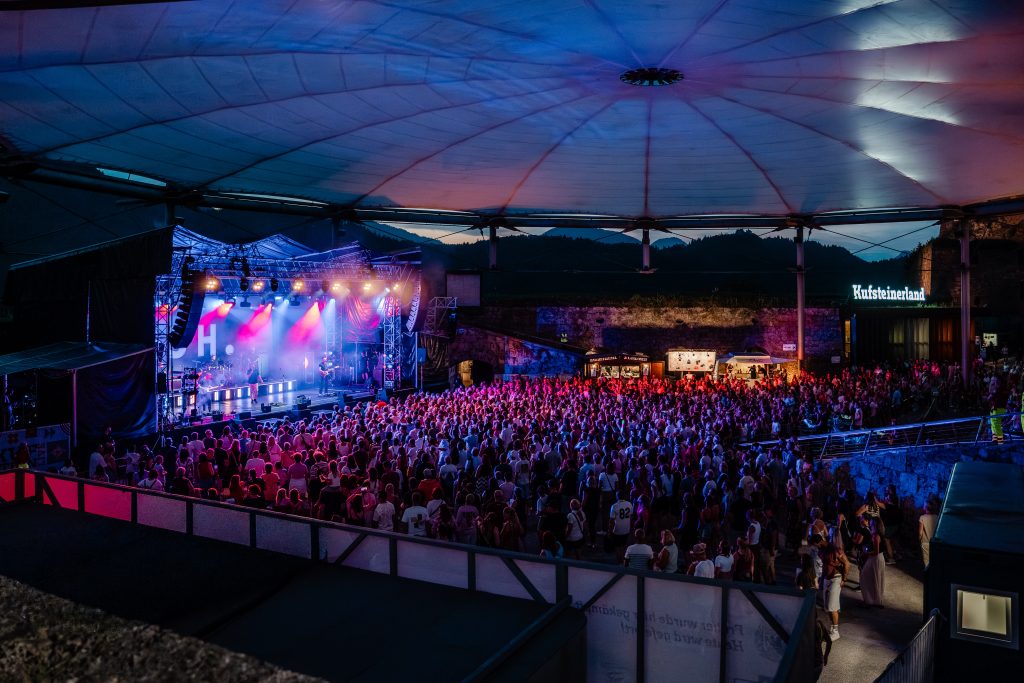
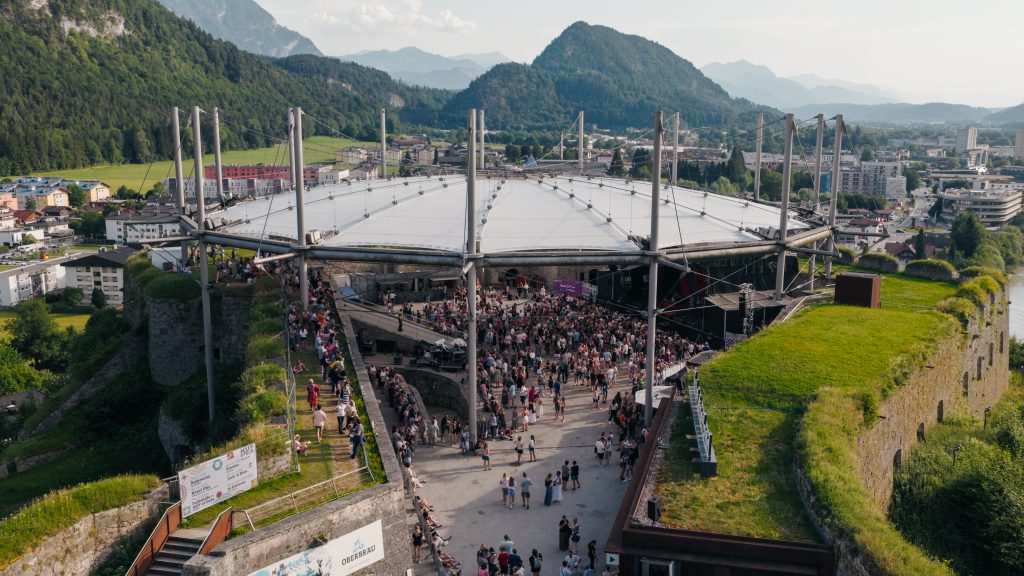
The fortress took a decisive step from historic monument to modern event venue with the construction of a mobile roof structure for the Josefsburg and its casemates. Since then, the Festungsarena has been largely weather-independent and has become a sought-after event venue in Austria, capable of hosting up to 4,200 concertgoers. Where soldiers once stood guard, international and Austrian music stars now take the stage.
The program that brings the Festungsarena to life year after year ranges from Austropop and rock to electronic music and classical crossover, all the way to major musical productions. But the fortress has another side: During the Knights’ Festival on Pentecost weekend, medieval life comes alive again with historical reenactments and crafts. Corporate events, conferences, private celebrations, and yoga sessions also find their place within the old walls. And anyone who exchanges vows here writes a very personal chapter in the fortress’s history.
An instrument that reaches an entire city
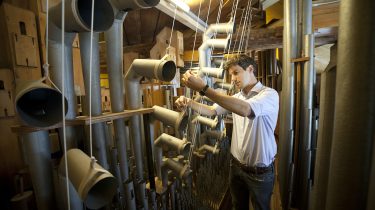
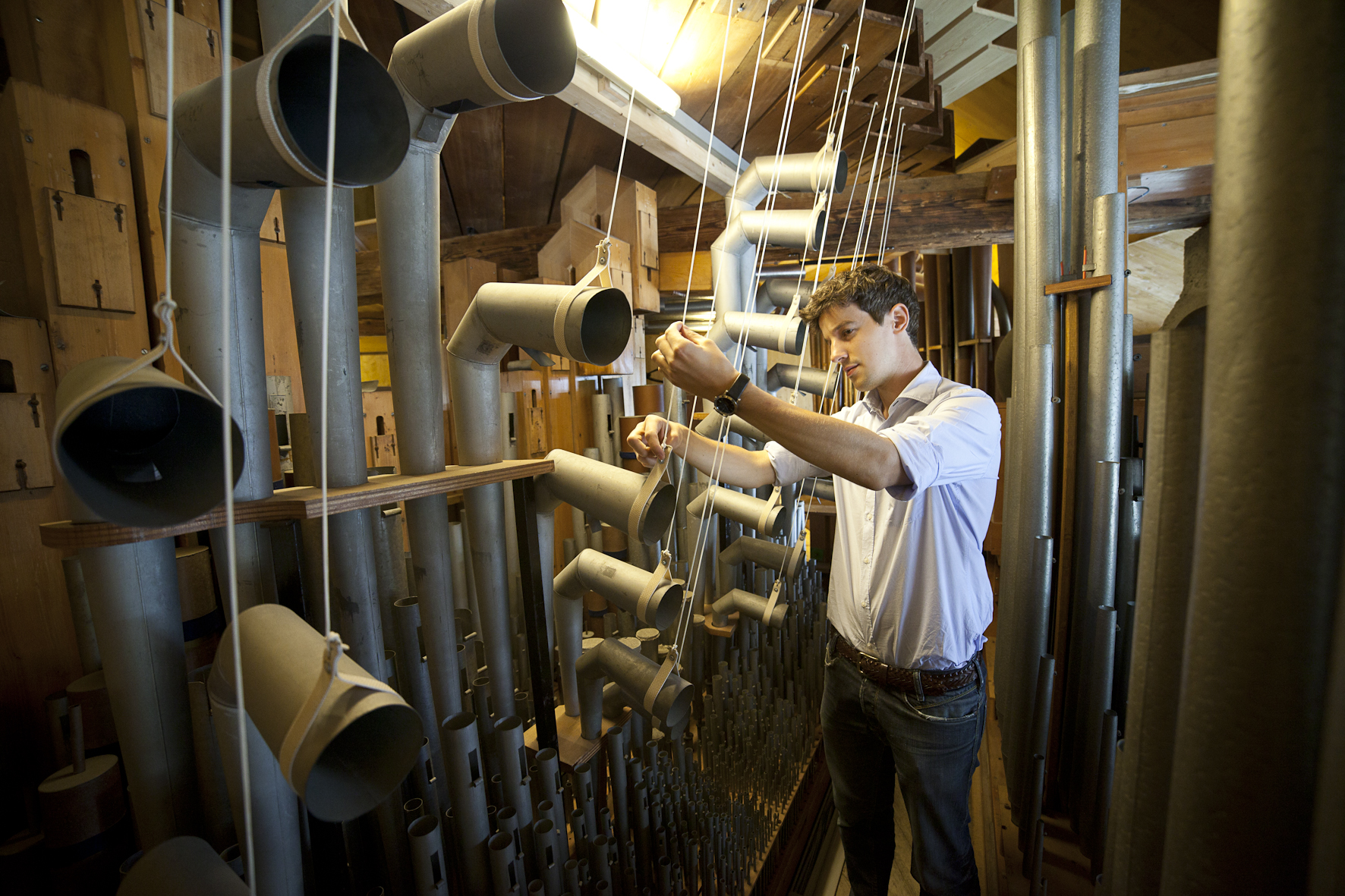
You don’t even have to be at the fortress to experience one of its most famous sounds. Every day at noon, the Heldenorgel (Heroes’ Organ) rings out, its music carrying far across the city—sometimes even as far as the Bavarian border. With its 4,948 pipes, it is considered the second-largest open-air organ in the world. Built in 1931 as a musical memorial to those who fell in World War I, today it commemorates the victims of war and violence.
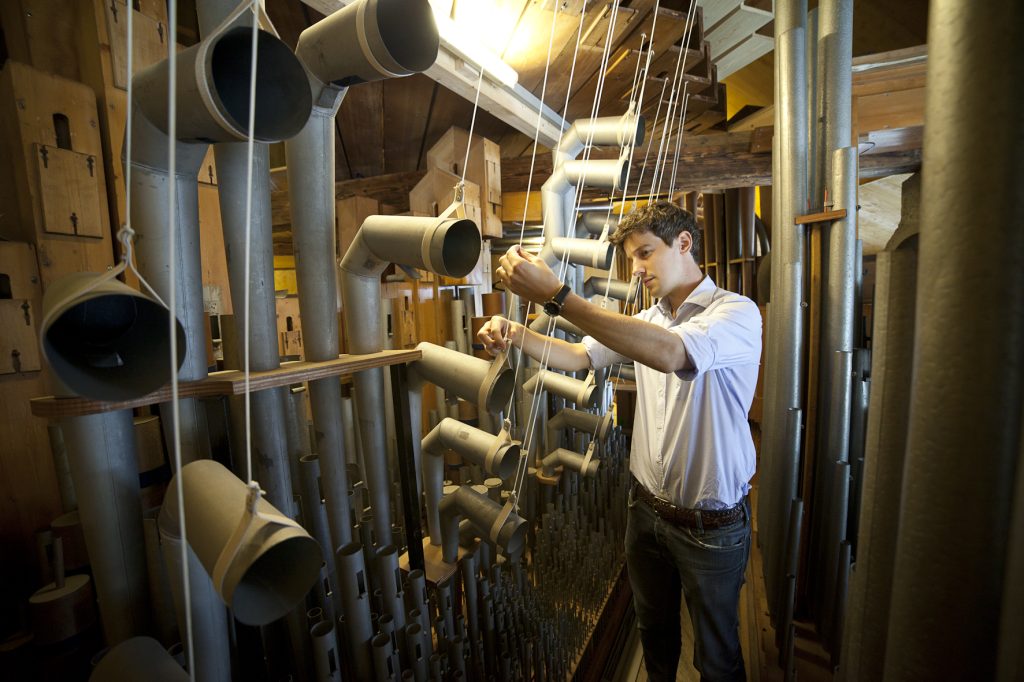
When the first notes of the daily concert drift over the rooftops of Kufstein, some people pause for a moment. Others have known the sound since childhood. For travelers, it may be an unexpected encounter with a city where music is part of everyday life.
When Advent arrives within the historic walls
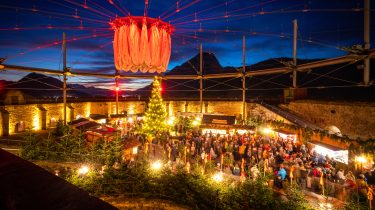
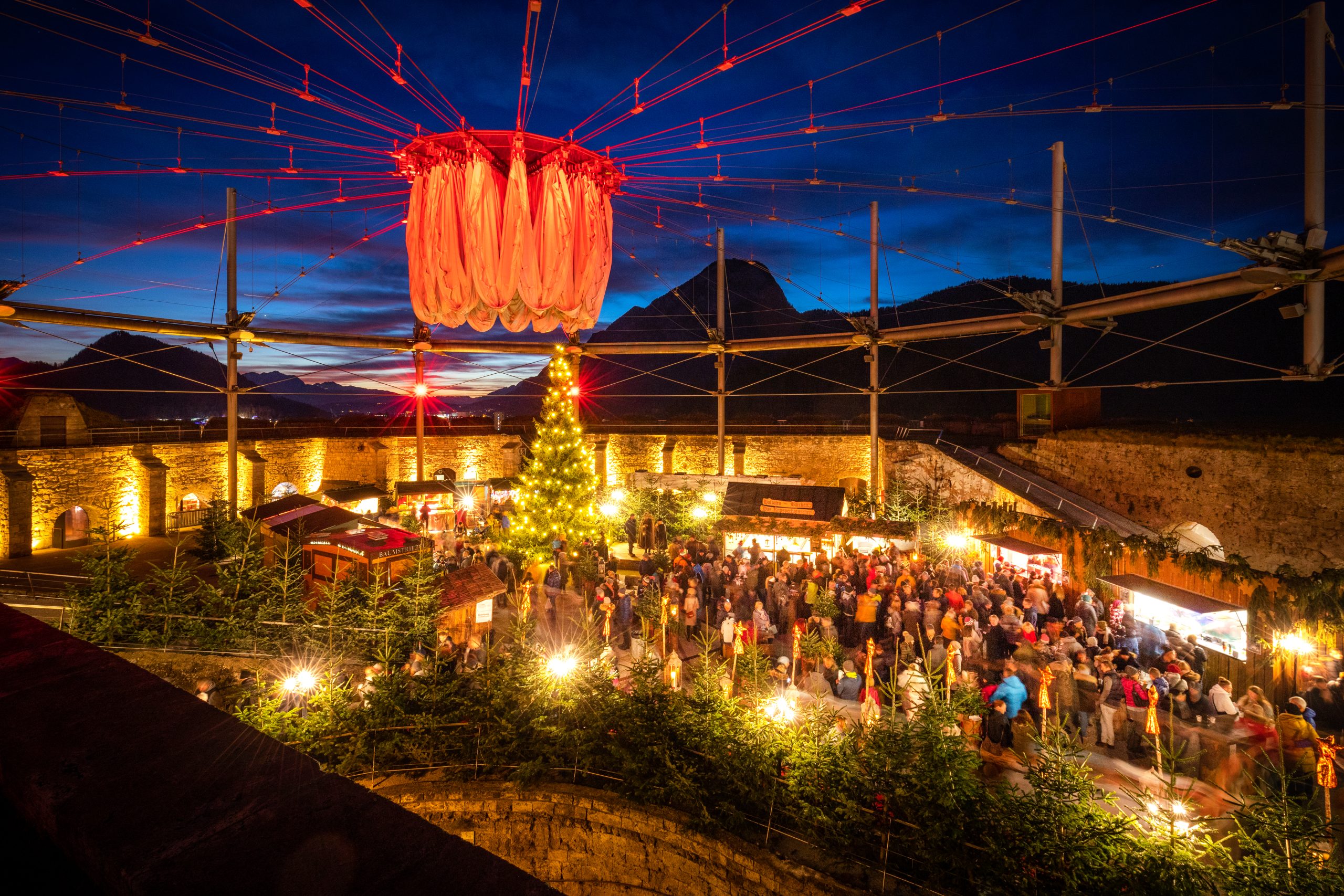
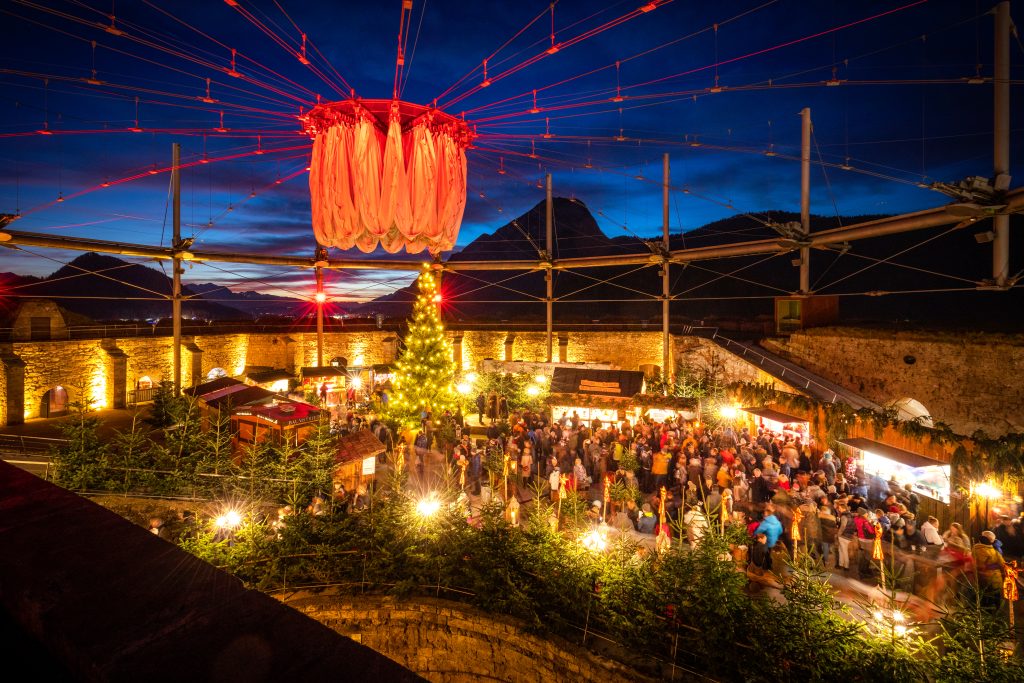
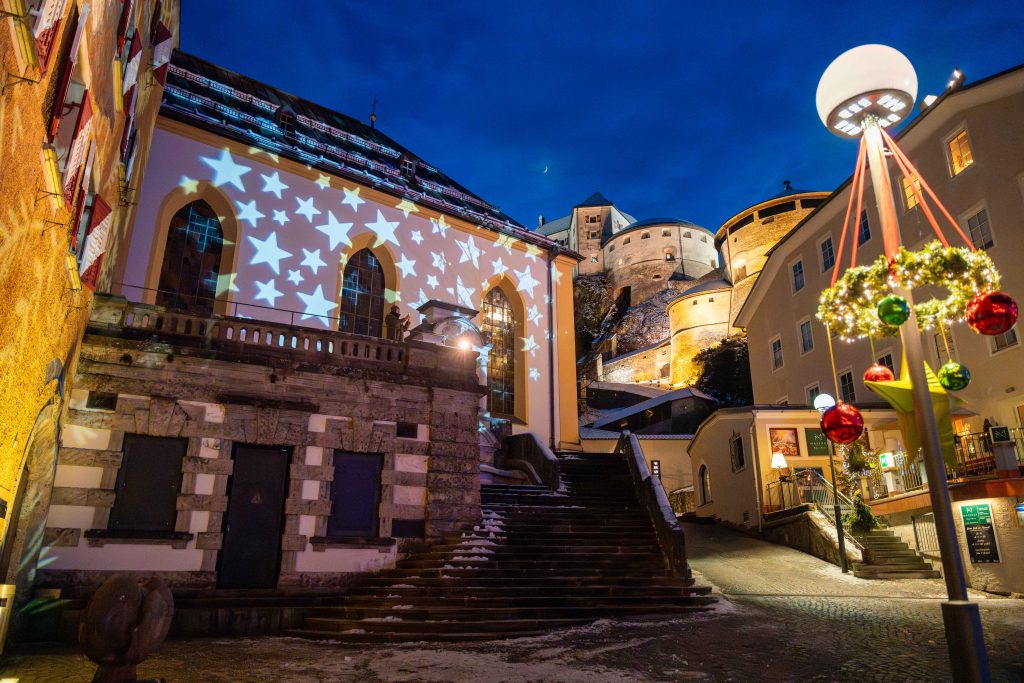
After the long summer of concerts, the fortress reveals a completely different side of itself. Over 300 fir trees, hand-tied wreaths, and garlands of fragrant fir greenery transform the Josefsburg and the historic casemates into a pre-Christmas wonderland. Countless lanterns and real candles bathe the ancient walls in warm light, while the scent of mulled wine and Tyrolean delicacies fills the air.
Traditional brass bands and carolers create a contemplative atmosphere with time-honored melodies. In the casemates, regional artisans showcase their skills, while children get creative in the Christmas workshop and send their wishes on their way from the Angel Post Office. Thus, during Advent, the once-fortified fortress becomes a place full of warmth and living tradition. Happening on November 28–29, December 5–6, 12–13, and 19–20, 2026, from 11 a.m. to 7 p.m. each day.
An entire city awaits below
When you come back down from the fortress, you’ll find yourself right in the heart of Kufstein. The Old Town, with its narrow alleys, small shops, and cafés, is just a few steps away. The Inn River winds through the city, and beyond it lie the mountains of the Kufsteinerland region. Culture and nature are so close together here that a visit to the fortress can easily be combined with a stroll through town, a hike, or a longer stay in the region.
Perhaps that is the real surprise of this beautiful place: Kufstein Fortress not only has 800 years of history behind it but has also undergone a remarkable transformation. What was once a contested stronghold has become a place where hundreds of thousands of people gather each year to take in the sights, experience music, celebrate, and discover history.
And the next time you pass Kufstein on the highway or by train, you might ask yourself: Why not get off and take a look?
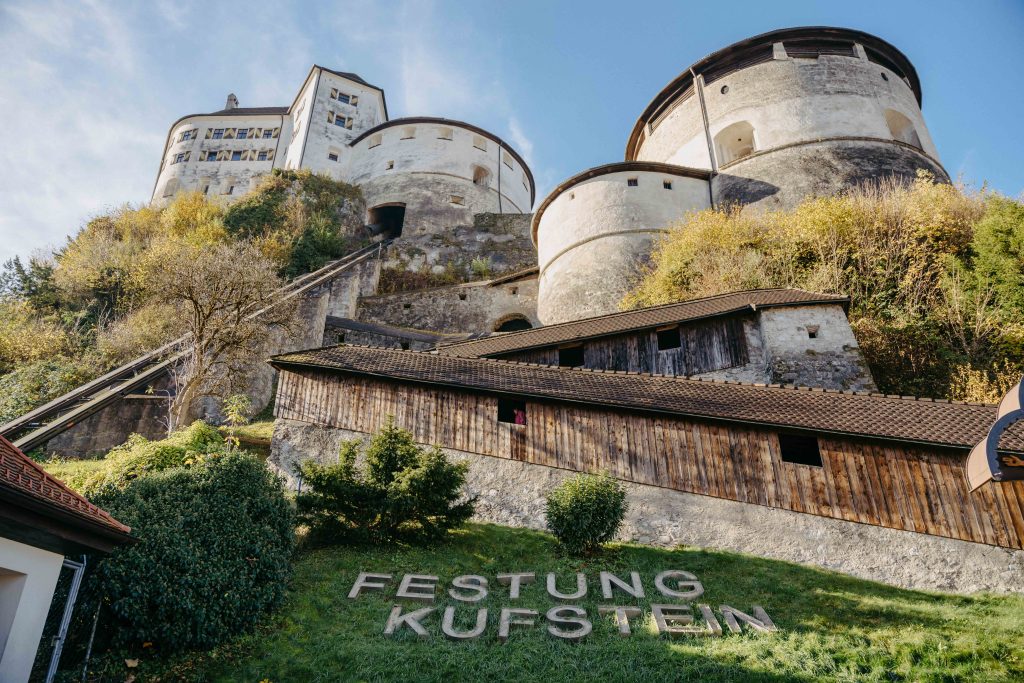
Kufstein Fortress: Historic fortress complex covering 24,000 m², featuring 21 exhibits, museums, the Emperor Maximilian Panoramic Railway, the Heroes’ Organ, and the fortress restaurant. For more information, visit www.festung.kufstein.at
Hours: Daily, from late March through November, 9 a.m.–6 p.m.; November through late March, 10 a.m.–5 p.m. Admission to the fortress is included in the KufsteinerlandCard (guest card). The guest card is available starting with the first overnight stay and is also valid on the day of arrival and departure.
How to get there: Kufstein is located on the Munich–Innsbruck railway line and can be reached toll-free via the A12 Inntal Autobahn from Munich to the Kufstein Süd exit. The fortress is a 5-minute walk from the train station.
2027 Events at Kufstein Fortress*
May 14–17, 2027, Knights’ Festival
May 21, 2027, Wolfgang Ambros
May 22, 2027, Symphoniacs
May 28, 2027, The Dire Straits Experience
June 5, 2027, Wanda
July 2, 2027, Seiler und Speer
July 8, 2027, Parov Stelar
July 10, 2027, Amistat – Homecoming Show
July 23–25, 2027, yoga.tage (individual sessions)
July 30 – August 15, 2027, MusicalSommer Kufstein: “Titanic – The Musical”
September 4, 2027, Fäaschtbänkler
*Excerpt; additional dates to follow