What’s New in Tirol’s Winter 2026/27: More comfort on the slopes and family-friendly winter experiences
Last updated on 23.09.2026 | Tirol Werbung
The 2026/27 winter season brings a host of new developments to Tirol: new mountain lifts and upgraded infrastructure are complemented by additional family-friendly activities and new ways to enjoy winter away from the slopes. From ski areas and ice rinks to winter trails and new excursion destinations – read on for an overview of some of the latest developments in Tirol.
Comfort and innovation in the ski areas
New gondola to Harschbichl · Kitzbühel Alps – St. Johann in Tirol
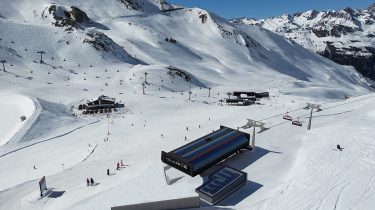
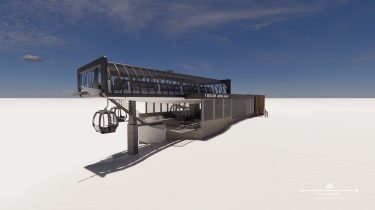
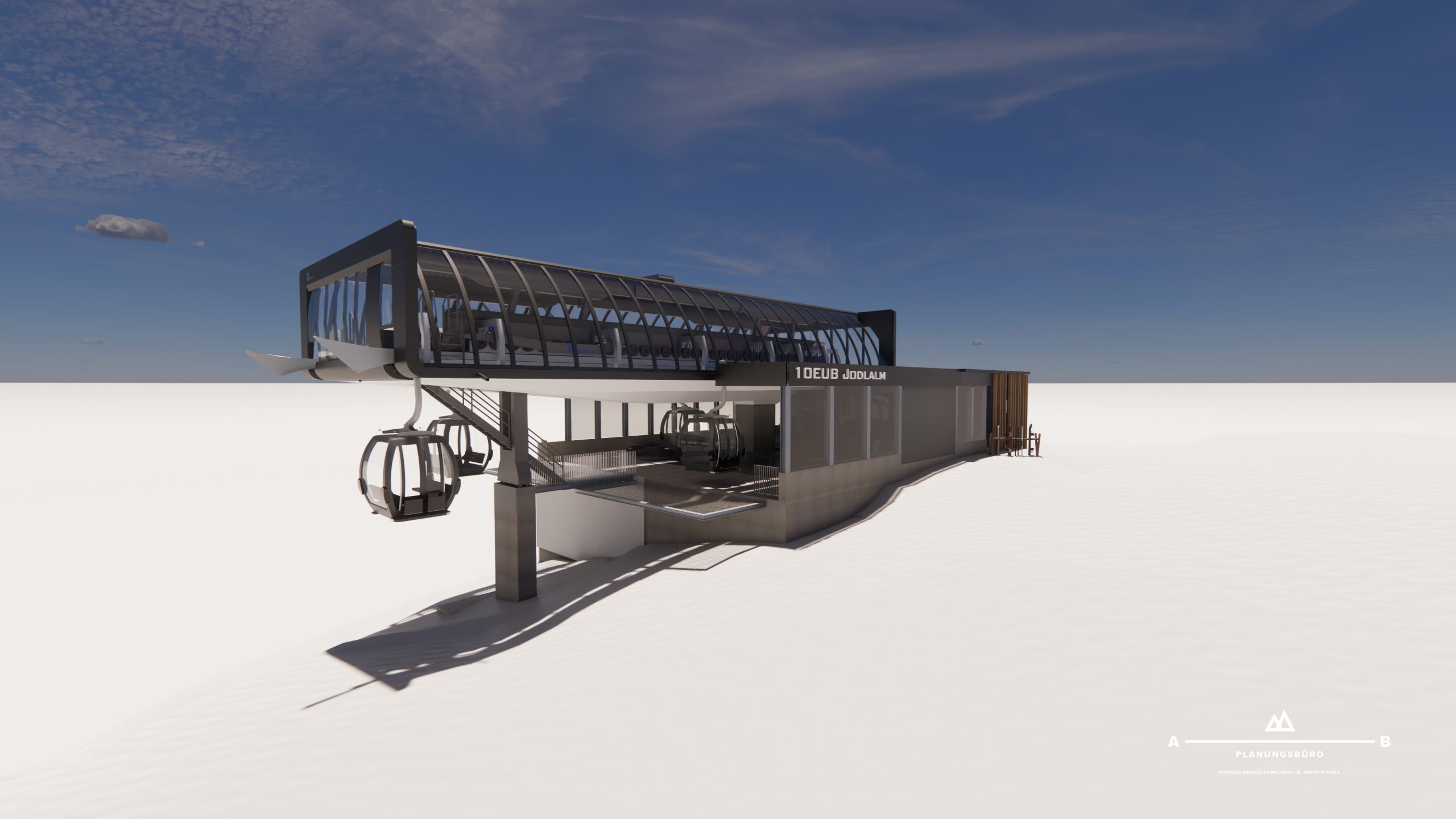
From winter 2026/27, a new 10-seater gondola will replace the existing two-seater chairlift to Harschbichl in St. Johann in Tirol. The new Jodlalm lift will whisk skiers to 1,603 metres above sea level and increase capacity to 2,400 passengers per hour, making the mountain ascent even more comfortable and efficient. The new lift is scheduled to open at the start of the season on 6 December 2026.
New Venetbahn lift · Tirol West
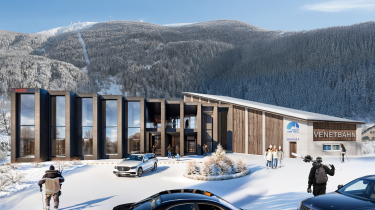
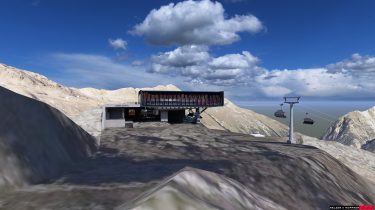
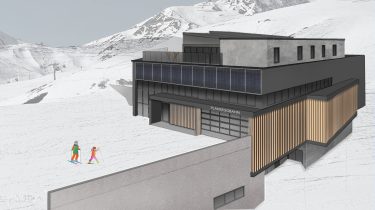
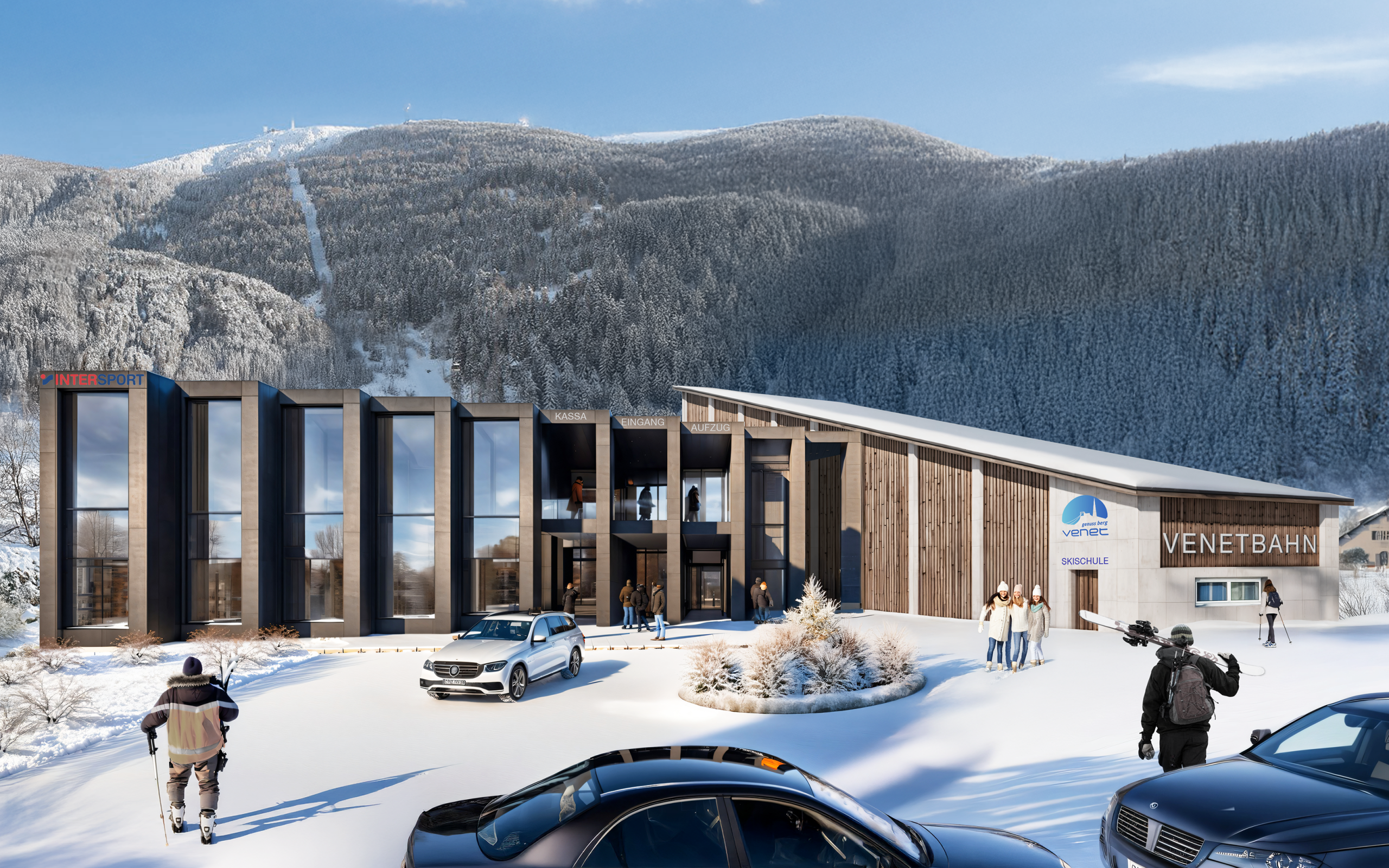
From 19 December 2026, a modernised 44-seater cable car will once again transport winter sports enthusiasts comfortably up the mountain from Zams near Landeck. The fully refurbished, accessible valley station will feature a spacious waiting area and an INTERSPORT store with more than 1,000 m² of retail space. The new lift not only offers greater comfort but also increased capacity, carrying up to 300 passengers per hour.
Increased comfort and quality in Ötztal
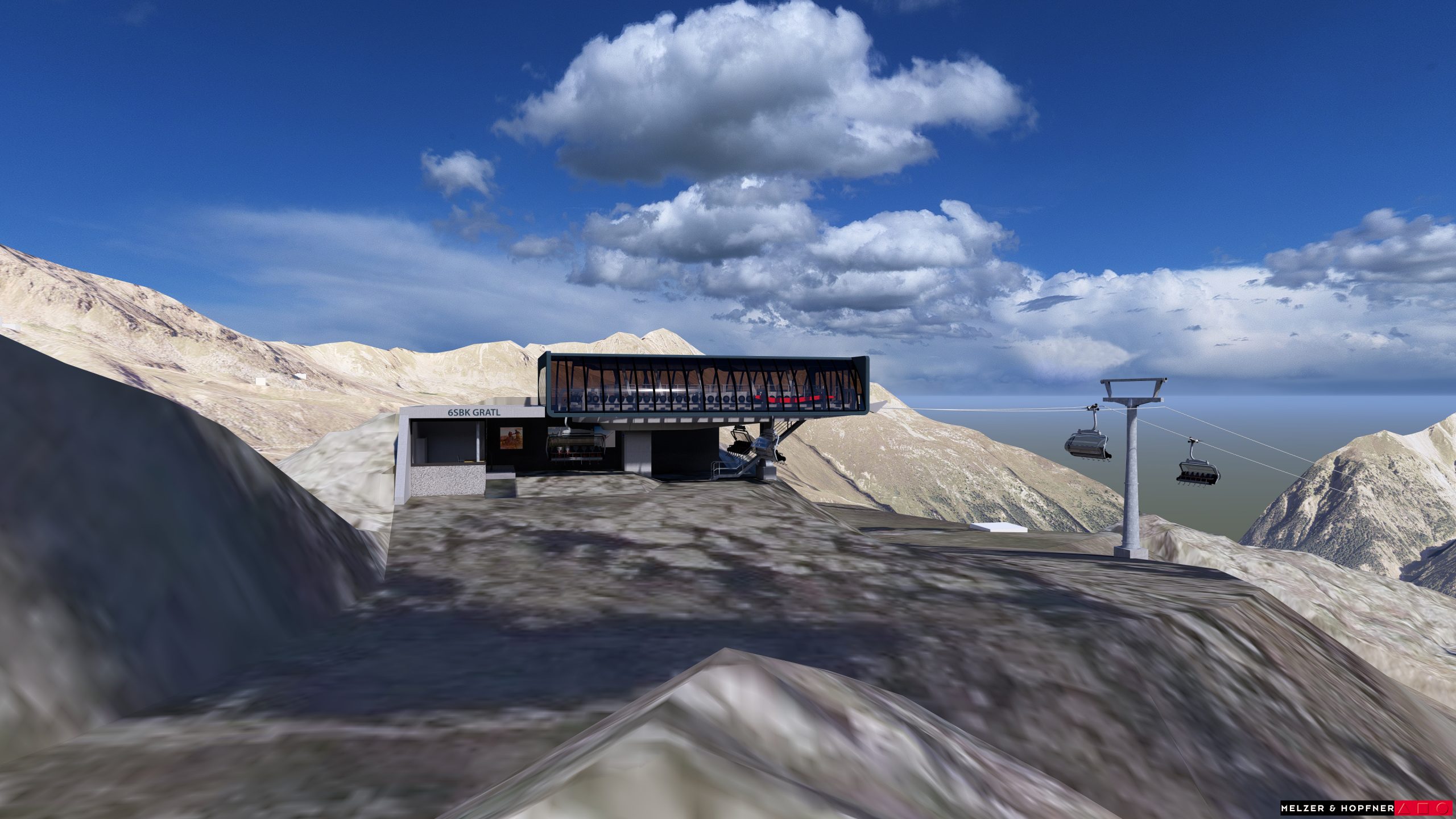
Sölden continues to invest in its infrastructure for the 2026/27 winter season. The centrepiece is the new Gratl six-seater chairlift, which provides access to one of the area’s most challenging slopes and reduces the journey time from around eight minutes to just 4.2 minutes. At the same time, snowmaking facilities on the Gaislachkogl, including a new pumping station, are being expanded, as are the snowmaking systems at Schwarzkogl and Wasserkar. Improvements to the pistes at Wasserkar and Gratl will provide more space and greater comfort. At the Tiefenbach Glacier, the Mutkogl drag lift is also being refurbished.
Modernisation continues in Paznaun-Ischgl
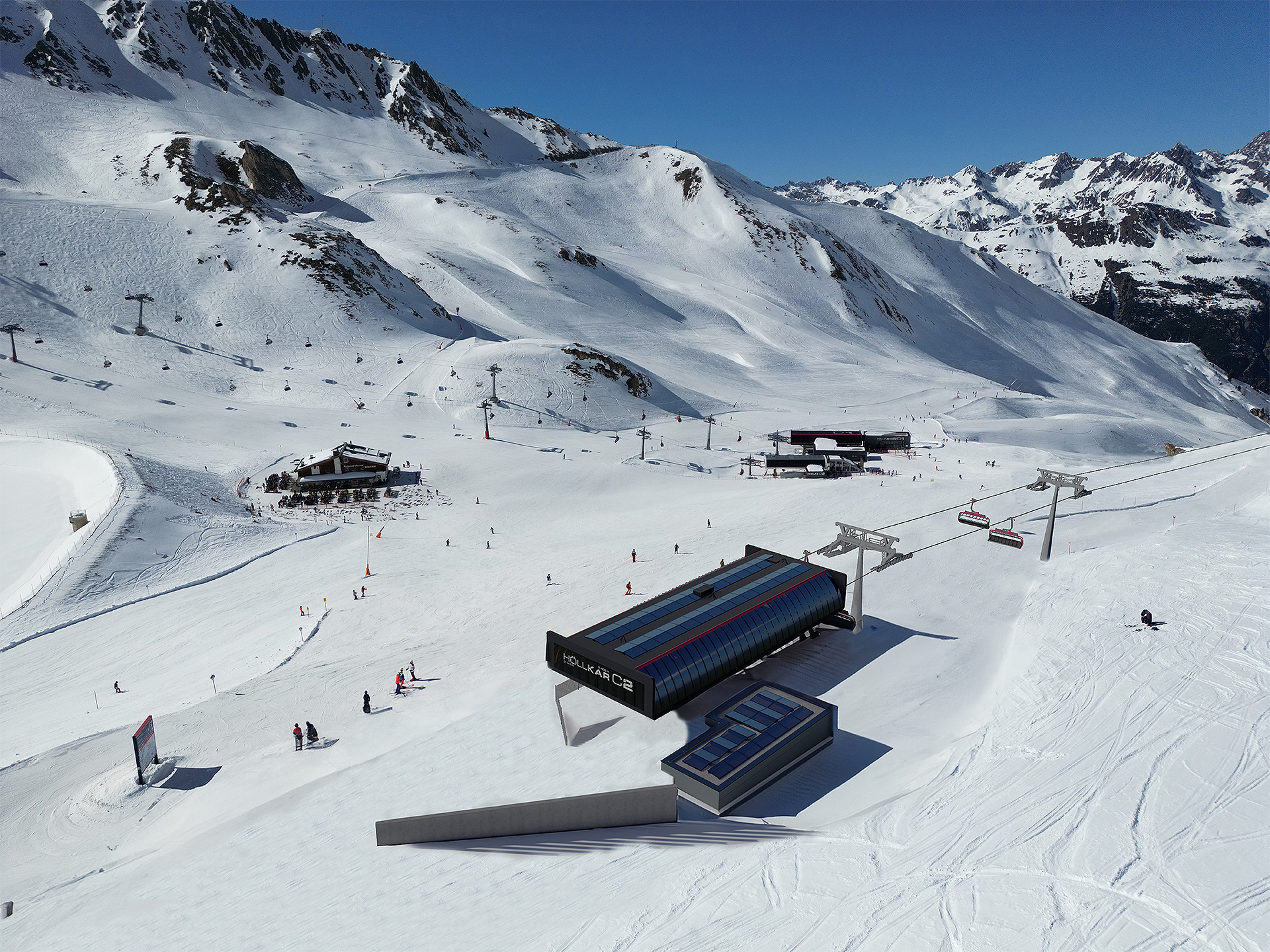
In Ischgl, the new Höllkarbahn C2 marks another step in the area’s comprehensive modernisation programme. The detachable eight-seater chairlift features weather-protection bubbles, heated seats and a modern boarding and alighting system. The chairs’ design also draws on the history of the Silvrettabahn lift.
In Galtür, the new Kopsseebahn replaces two existing drag lifts. The detachable six-seater chairlift, equipped with weather-protection bubbles, provides a more comfortable way to access the ski area. The winter sports offering is also expanding in Kappl, where two new ski routes increase the ski area to a total of 45.5 kilometres of pistes. A new snow park with a range of features for beginners and more experienced riders is also being added.
New Planseggbahn and freestyle lines · Serfaus-Fiss-Ladis
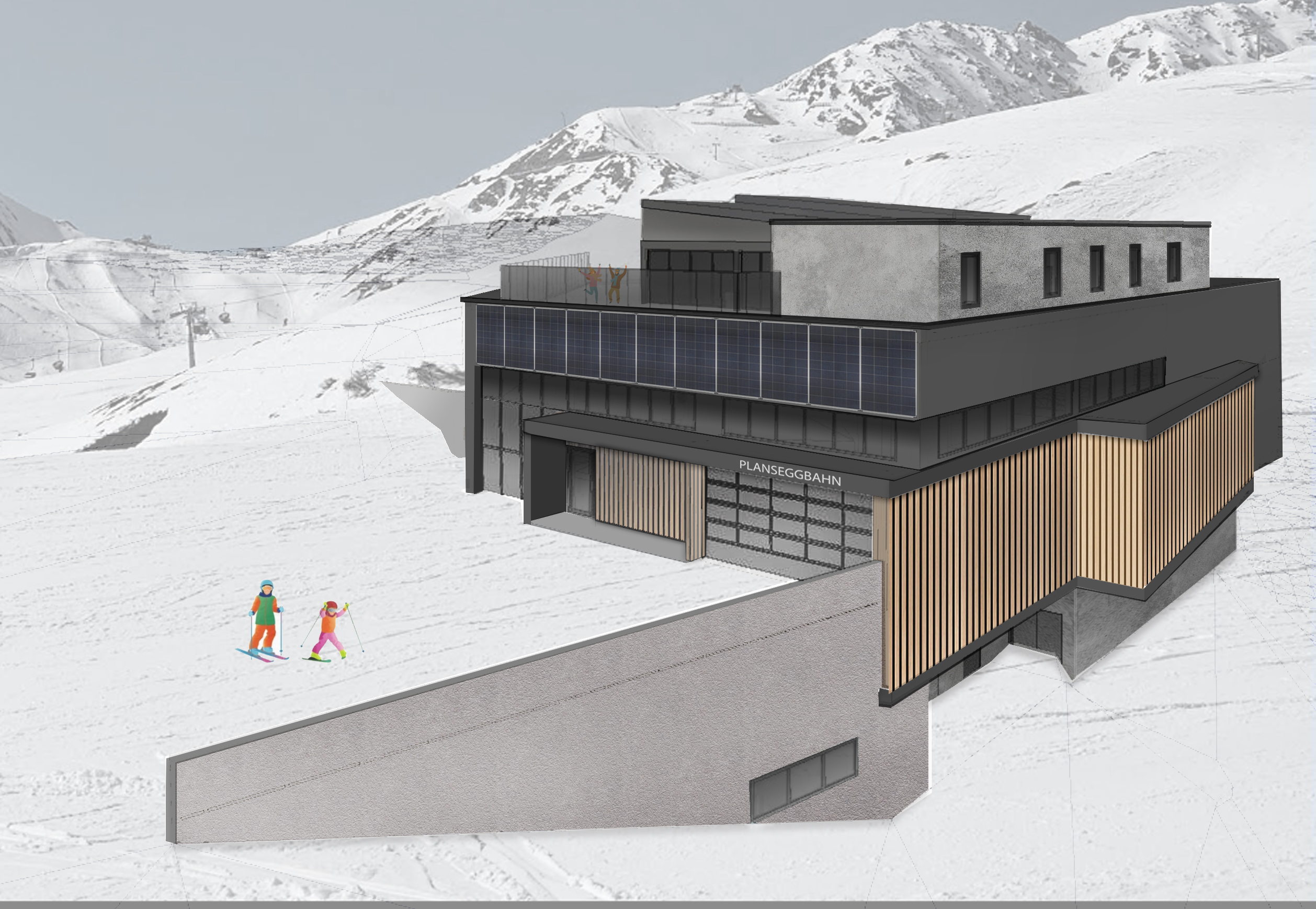
From winter 2026/27, the new Planseggbahn will replace the existing lift in Serfaus. The eight-seater chairlift increases capacity to up to 4,000 passengers per hour and takes winter sports enthusiasts comfortably up the mountain in seats equipped with weather-protection bubbles and heating. A new panoramic bar at the valley station will also complement the dining options. The choice for freestyle enthusiasts is expanding too, with the Sun Park gaining additional lines for different ability levels. The existing areas are being developed into a more varied offering with four lines in total, ranging from a beginner line to rail and fun-slope lines.
New Schartenkogel lift at Glungezer ski area · Hall-Wattens Region
From winter 2026/27, a heated six-seater chairlift with weather-protection bubbles will replace the existing Schartenkogellift at Glungezer ski area. The new lift will take guests as far as the Schartenkogel and reduce the journey time to around seven minutes. With the new lift, the ski area will expand to encompass some 24 kilometres of slopes.
New gondola at Hintertux Glacier · Tux-Finkenberg
From late October 2026, a new 10-seater gondola will replace the over 40-year-old four-seater gondola to the Tuxer Fernerhaus at Hintertux Glacier. The new lift will run from Sommerberg to the Tuxer Fernerhaus, offering more space, comfort and impressive views on the way up to the glacier.
More freedom for freeriders · Tiroler Oberland – Nauders
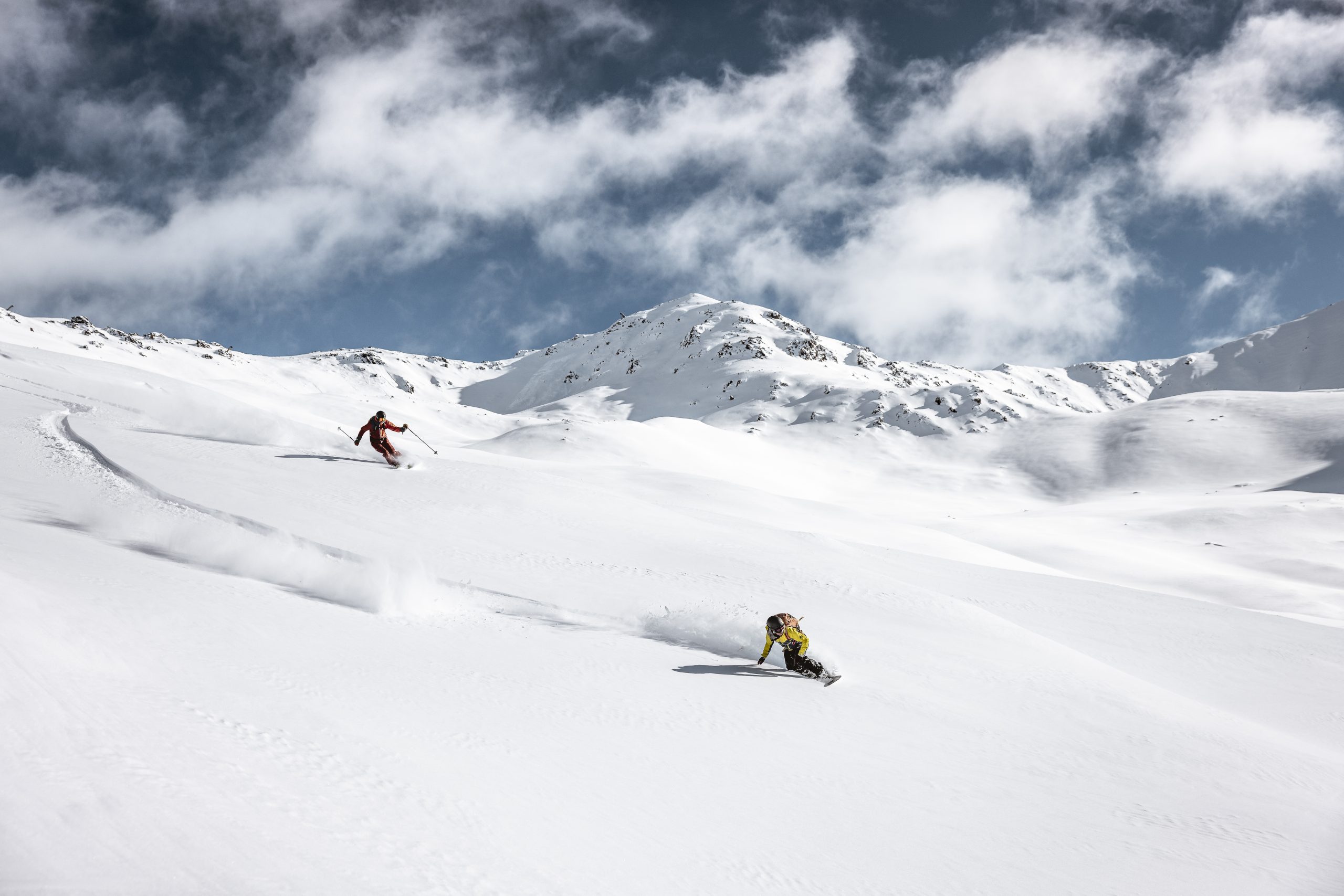
Nauders is expanding its freeride options with six additional routes. With variants such as Valdafur, Gipfellinie, Cannonrun, Piengtraum, Bergkastelride and Almlinie, a total of ten selected freeride routes are now available. A variety of terrain types offer opportunities for winter sports enthusiasts who enjoy venturing away from the groomed slopes.
Family-friendly winter activities
Murmlis Kinderalm and new family slope · Serfaus-Fiss-Ladis
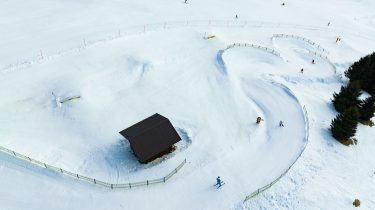
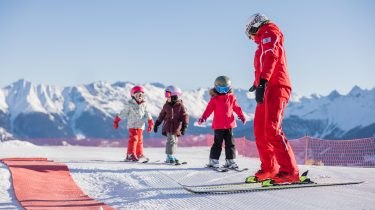
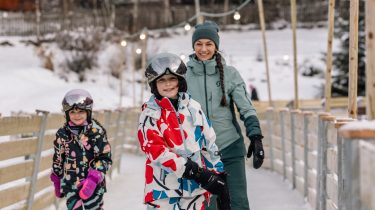
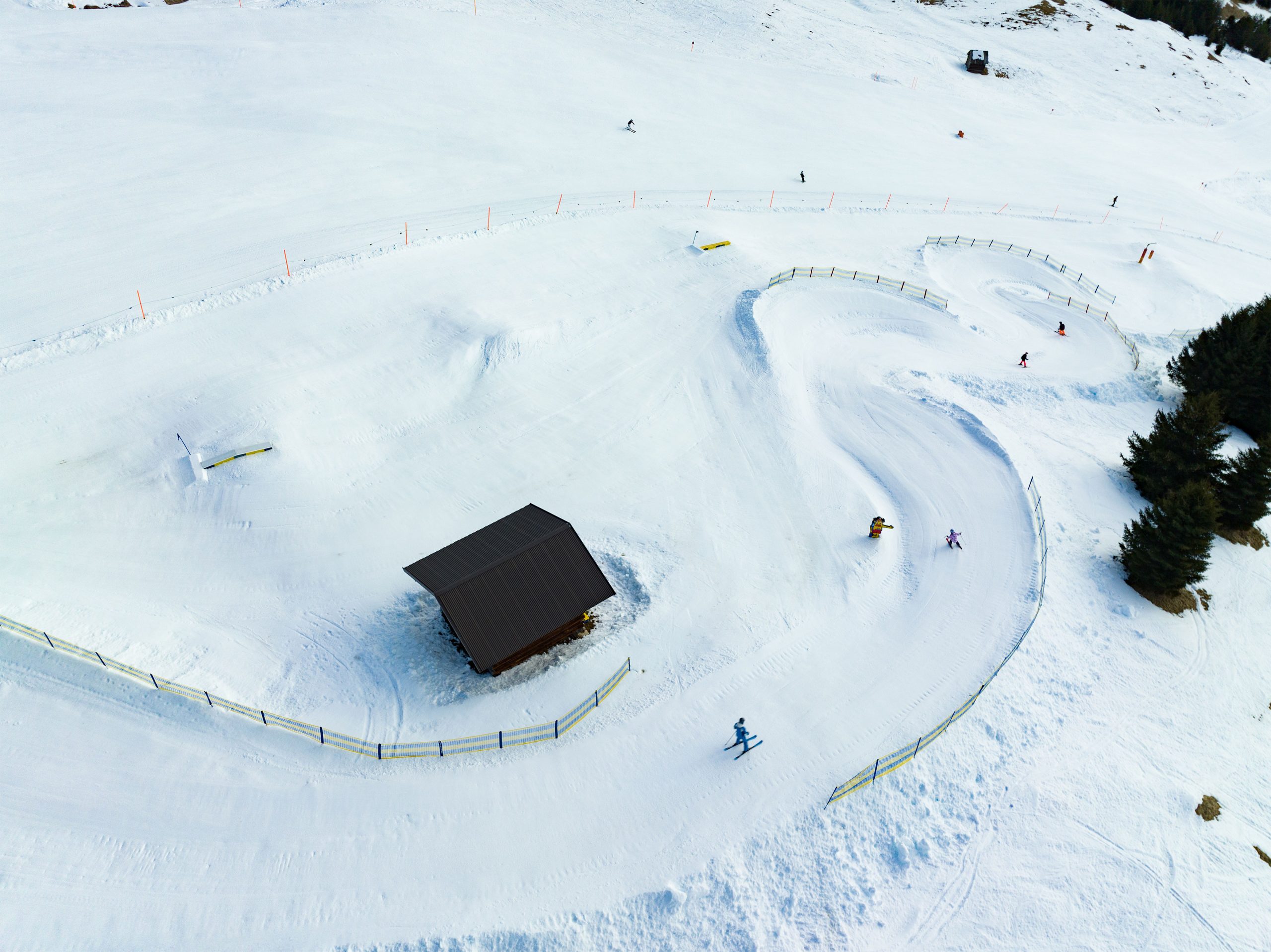
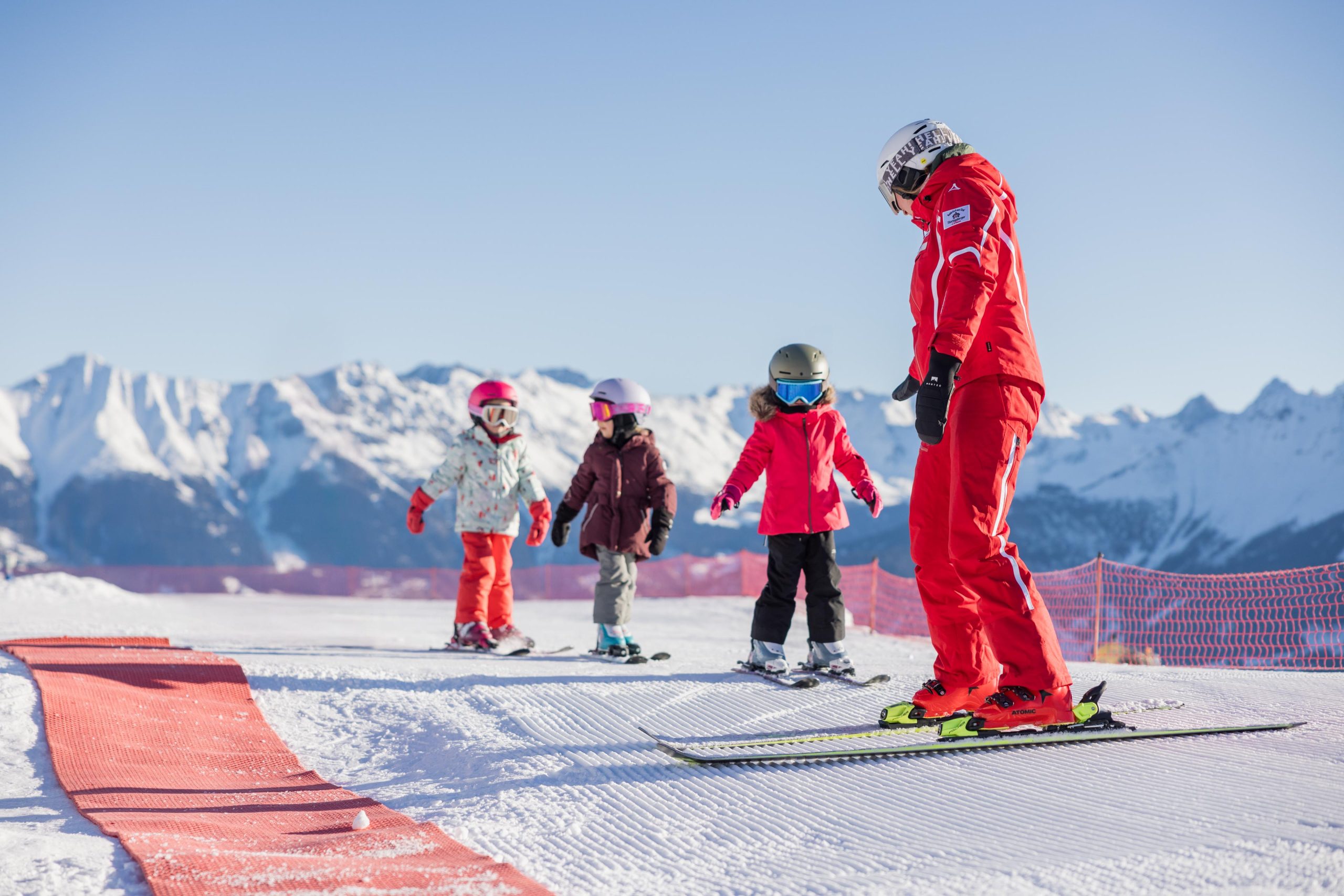
The existing Kinderschneealm in Serfaus is being transformed into Murmli’s Kinderalm. The long-established practice area will feature themed conveyor belts, creating a playful setting for children taking their first turns on snow. Murmli’s family run is another new feature: Murmli and his friends Fiona, Ingo and Bruno accompany young skiers as they make their way down from the Gampen downhill run towards the Komperdellbahn lift’s intermediate-station. A photo point awaits at the end of the run.
New Kükennest at SkiWelt Söll · Wilder Kaiser
Known as the “Kükennest” (Chick’s Nest), this new indoor themed playground for the youngest guests is being created in the self-catering area known as the “Blaues Wunder” (Blue wonder) in Söll. Its centrepiece is the wooden egg ride from Hexenwasser, already a firm summer favourite, which will now also operate during winter. The play area will be staffed at weekends, giving families another opportunity to take a break from a day on the slopes.
New Ice Park Umhausen · Ötztal
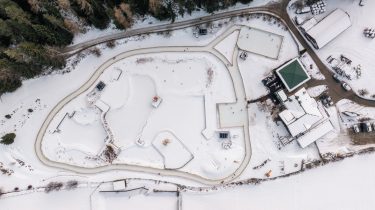
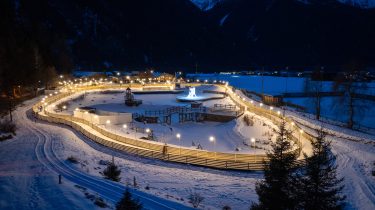
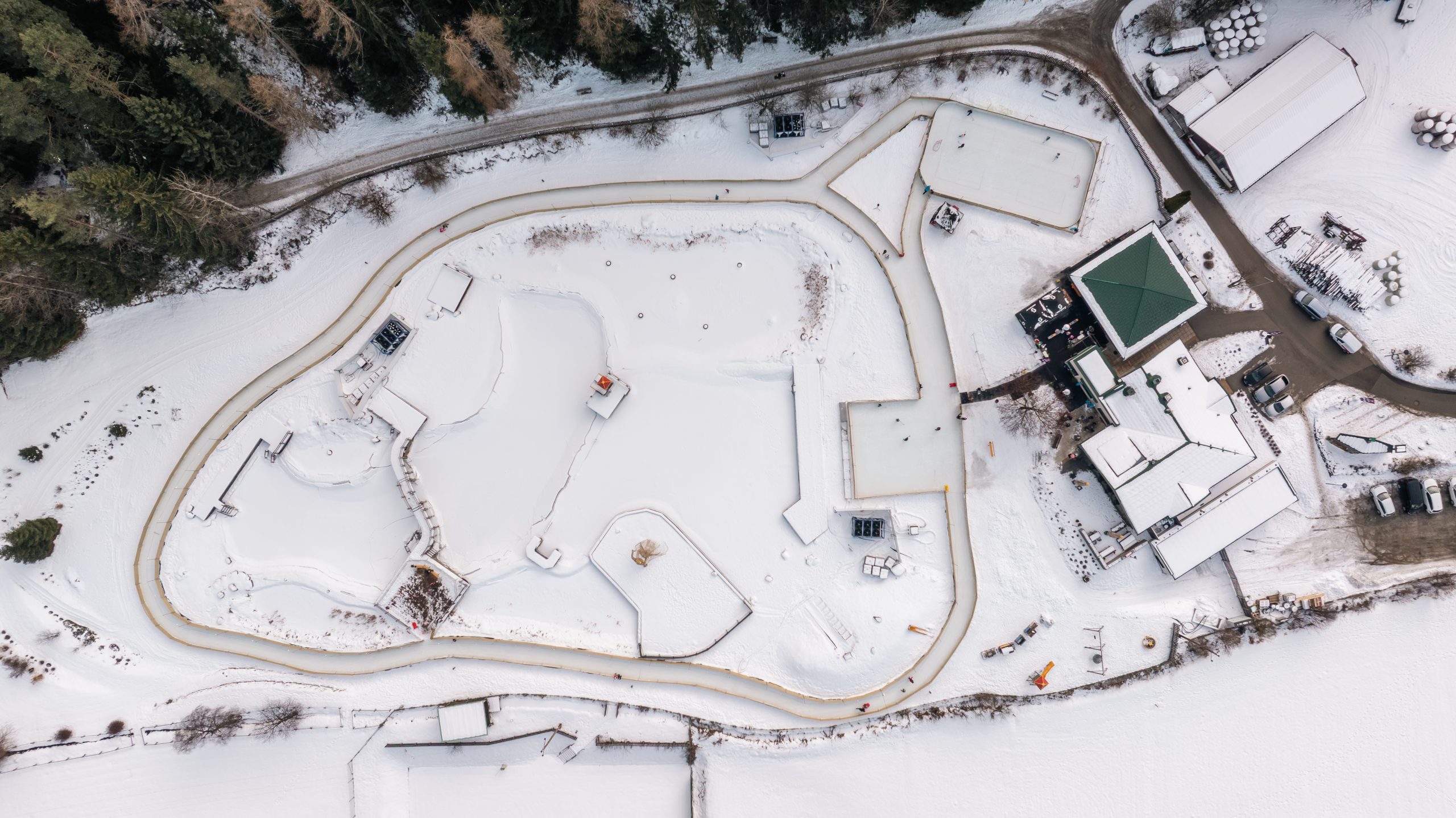
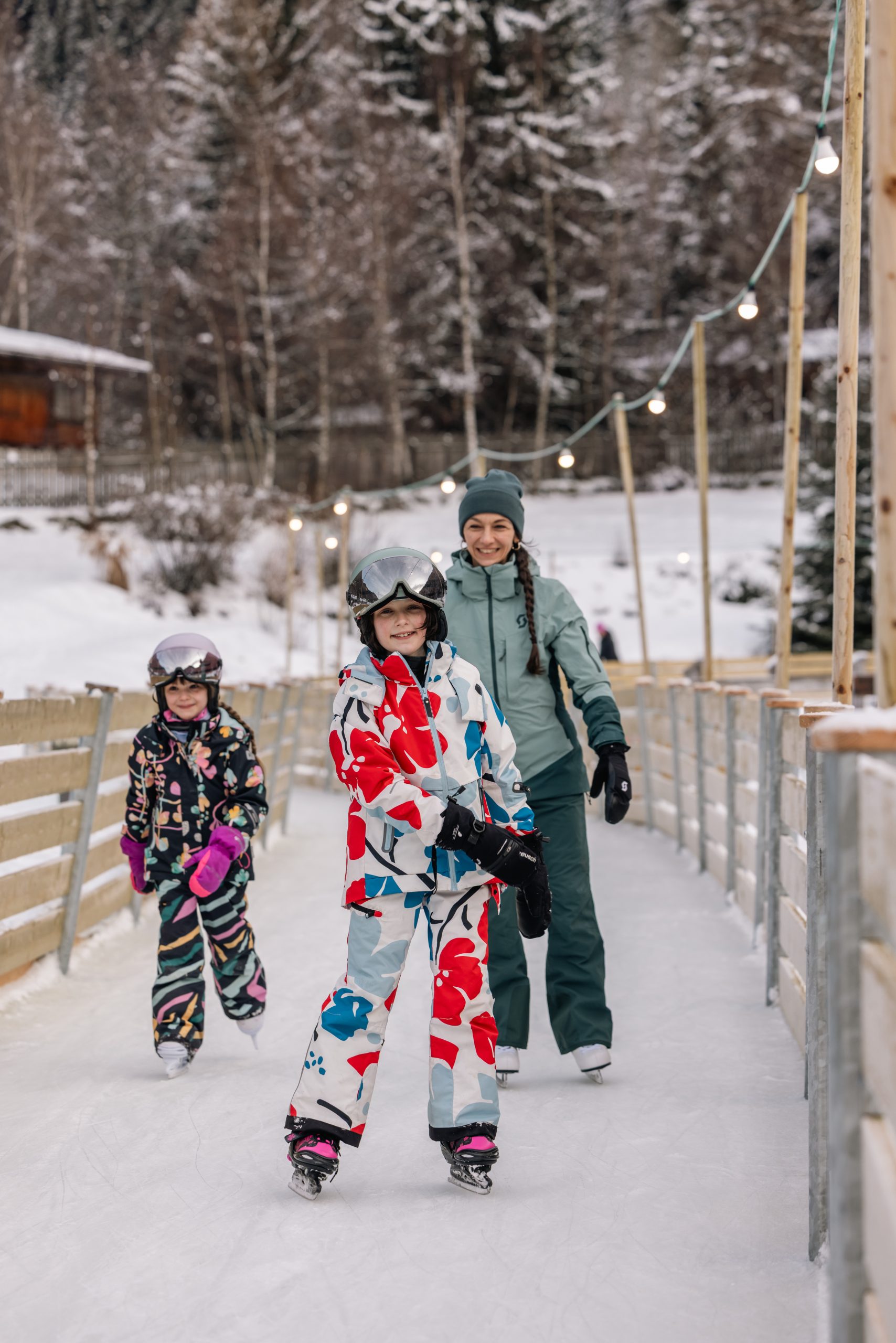
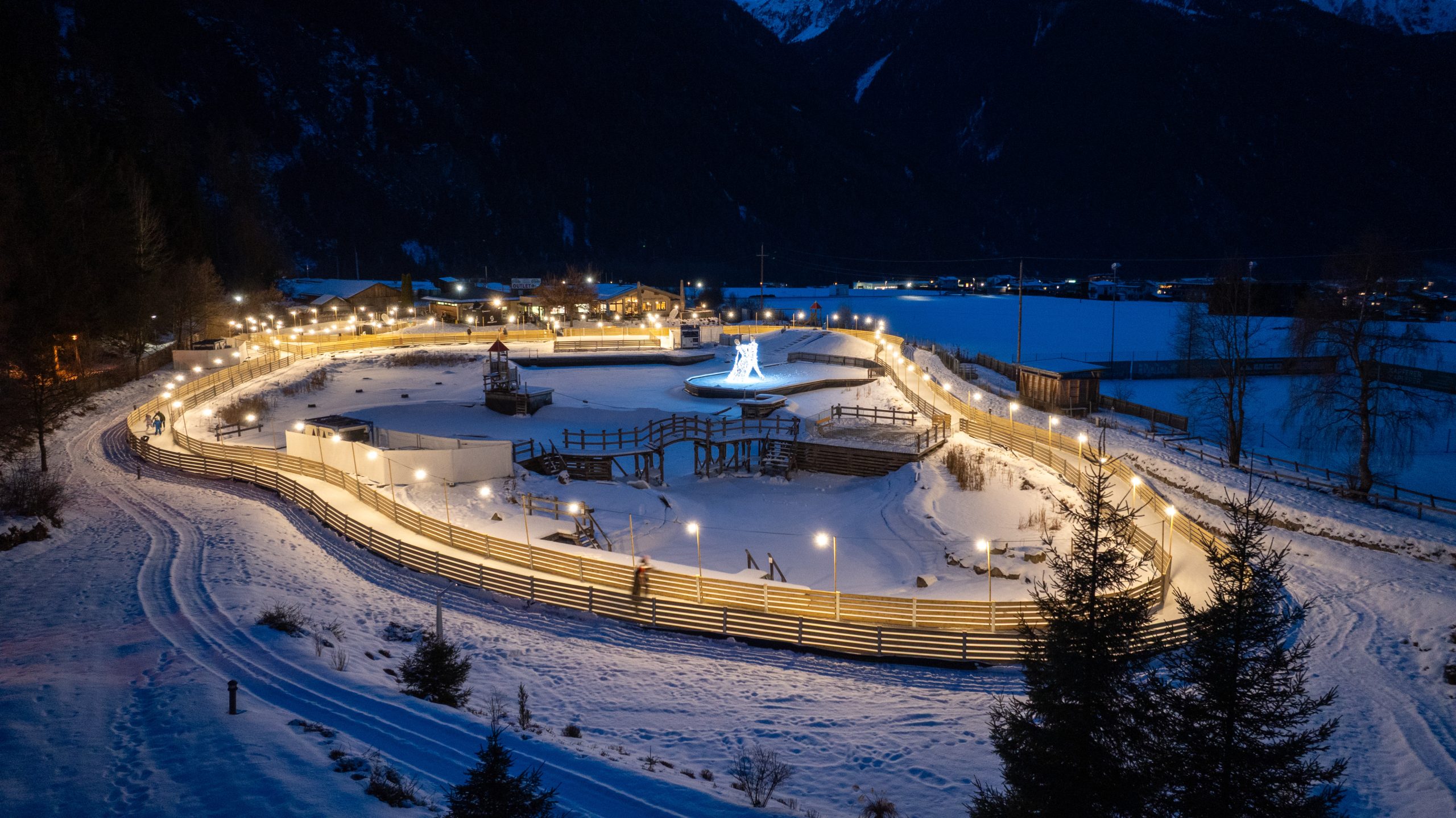
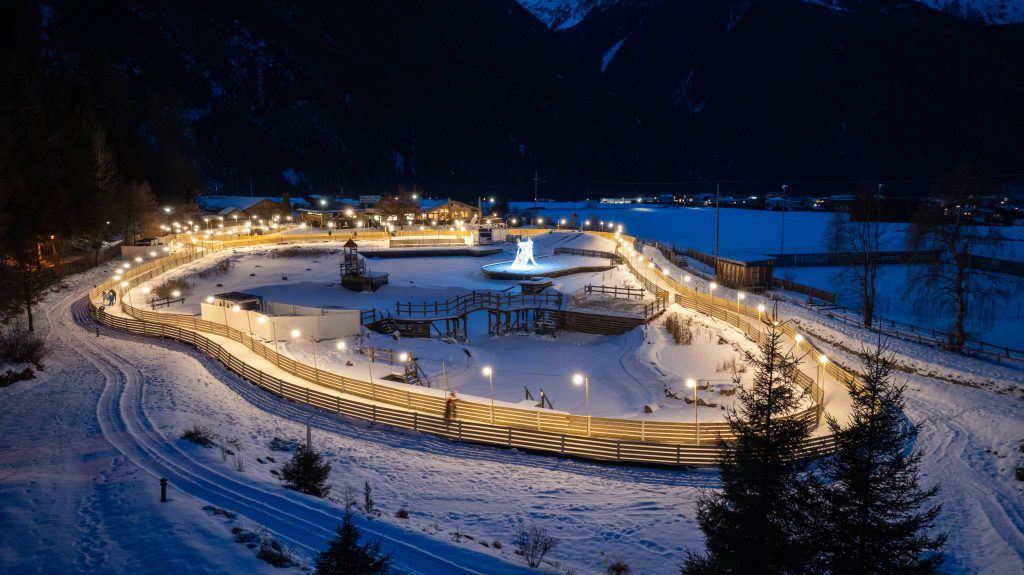
Ötztal also has something new to offer away from the slopes: the new Ice Park Umhausen is creating a winter ice world at the natural bathing lake in Umhausen. With an ice rink some 330 metres long, two additional ice surfaces, snow sculptures, catering facilities and ice-skate hire, visitors are invited to go ice-skating and enjoy winter walks. Thanks to a technical cooling system, the ice rink can be used regardless of temperature and precipitation.
Ice Magic – skating in the heart of the city · Innsbruck Region
Ice Magic is a new skating experience that runs from 12 November 2026 to 21 February 2027 at Landhausplatz and Bozner Platz in the heart of Innsbruck. Instead of a conventional ice rink, the “Skate-Way” concept features sweeping ice paths connecting different areas. Illuminated pathways, light installations and façade projections will create a particularly atmospheric experience in the evenings. Plans include ice disco nights as well as DJ and themed events. Bozner Platz will also feature an additional ice rink and an area for traditional curling.
Ice Skating at Rangger Köpfl · Innsbruck Region
Winter activities are also being expanded at Rangger Köpfl. From the 2026/27 winter season, an ice rink will be created at the Stiglreith mountain station. Ice skate hire, a refurbished refreshment area and evening opening hours make this an attractive winter activity away from the ski slopes.
Winter adventures and day trip destinations
Lichterpark at Lake Kampler See · Stubai
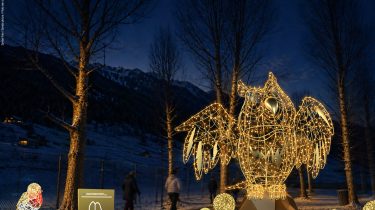
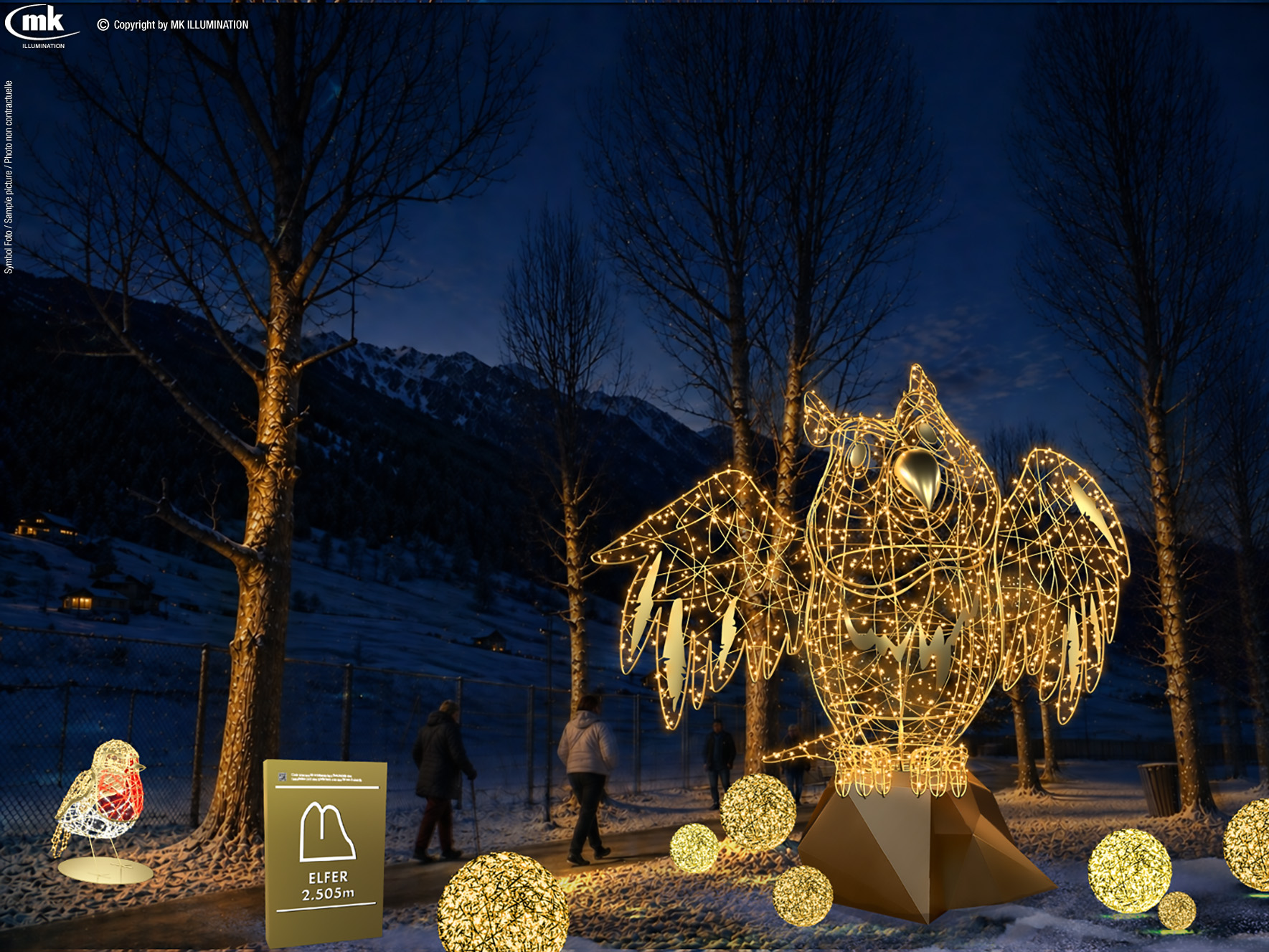
From the beginning of Advent, Lake Kampler See in Neustift will be transformed into the new Lichterpark Stubai. Seven stations featuring light installations lead visitors around the lake through the winter landscape. The illuminated figures feature a fox, roe deer, stag, owl, hare, marmot and ibex. QR codes also provide information about the Seven Summits of Stubai. The Lichterpark will be open daily from the end of November 2026 until the end of February 2027, from dusk until 10 pm. Admission is free.
Austria’s first certified year-round hiking trail · Alpbachtal
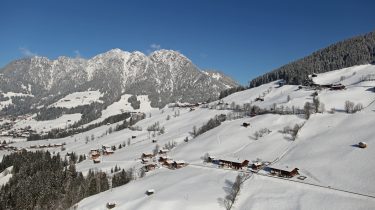
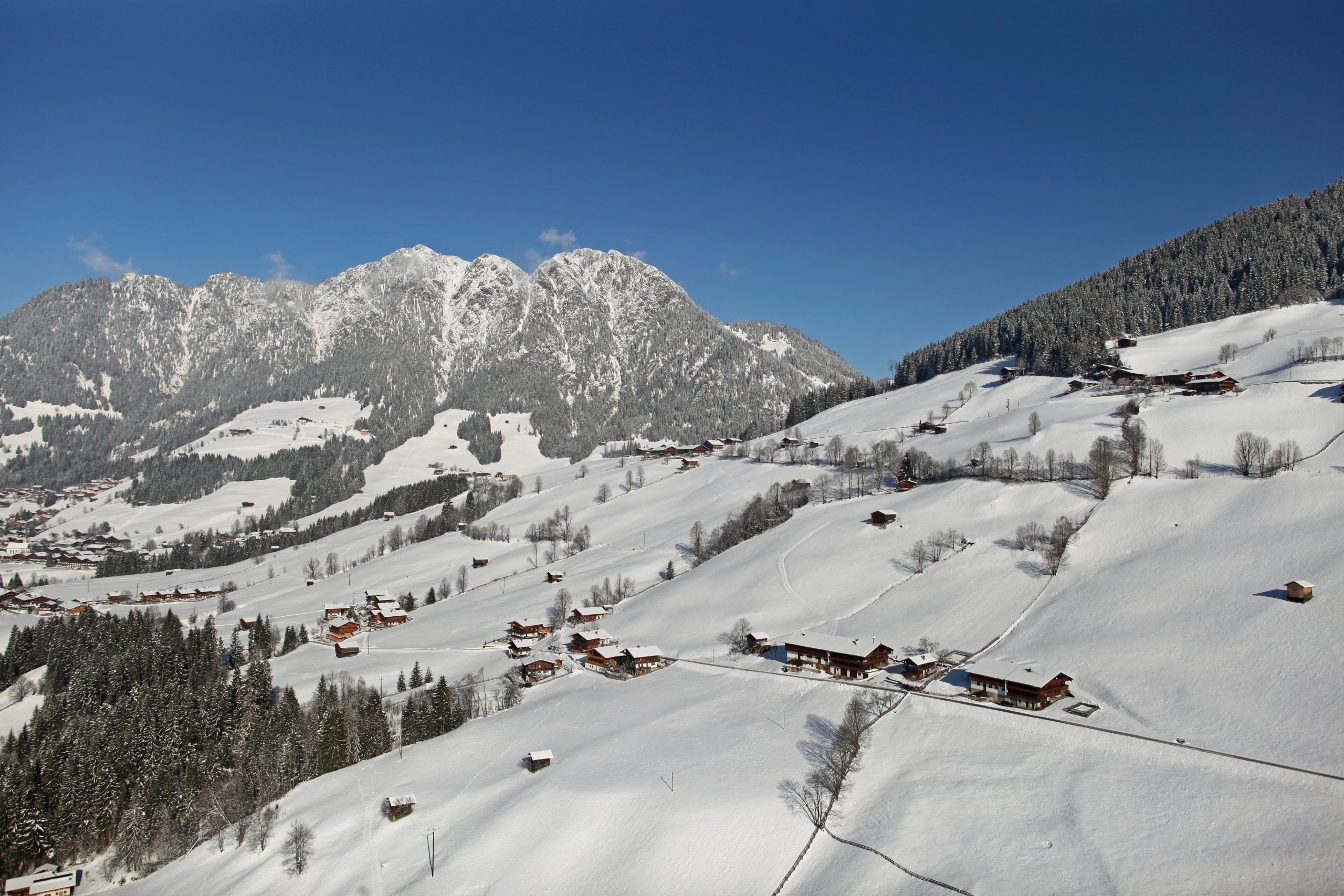
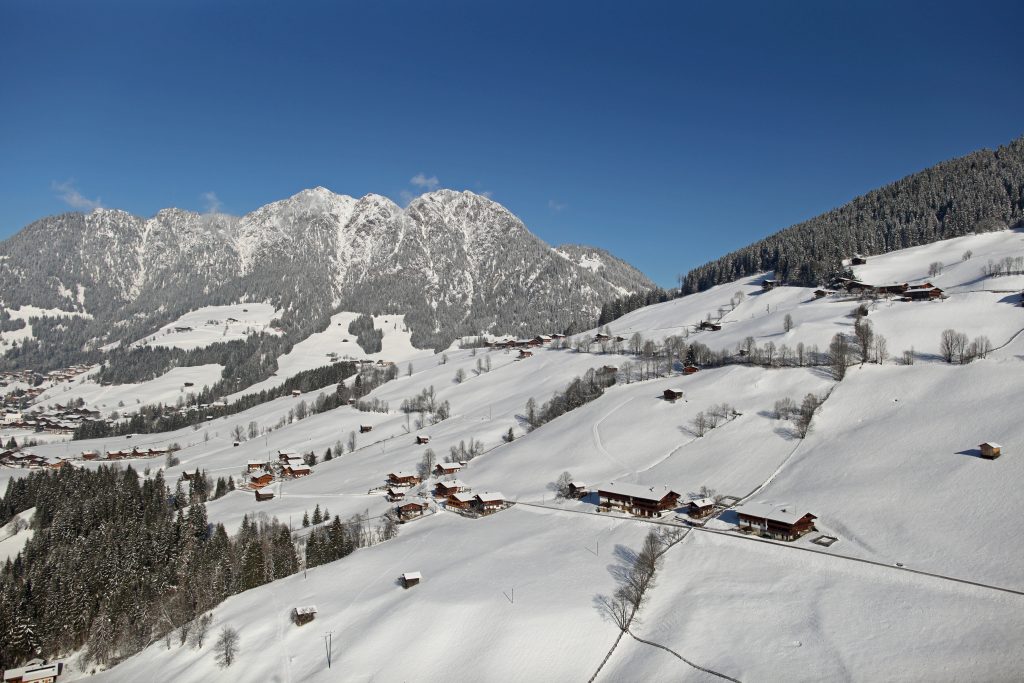
At around nine kilometres in length, the “Mittlerer Höhenweg” (Middle High Trail Alpbach) is Austria’s first certified year-round hiking trail. The Austrian Hiking Quality Seal confirms that the route is suitable for all four seasons. The circular trail follows the sunny side of Alpbach through winter meadows and forests, passing traditional farmhouses and hamlets and offering repeated views of the mountain village and the surrounding landscape.
Via ferrata winter adventure · Holiday Region Fügen-Kaltenbach im Zillertal
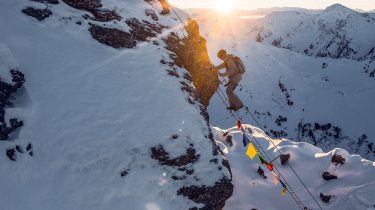
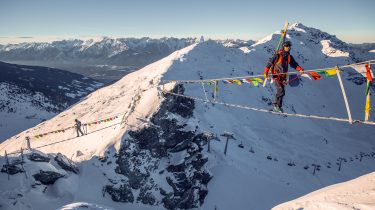
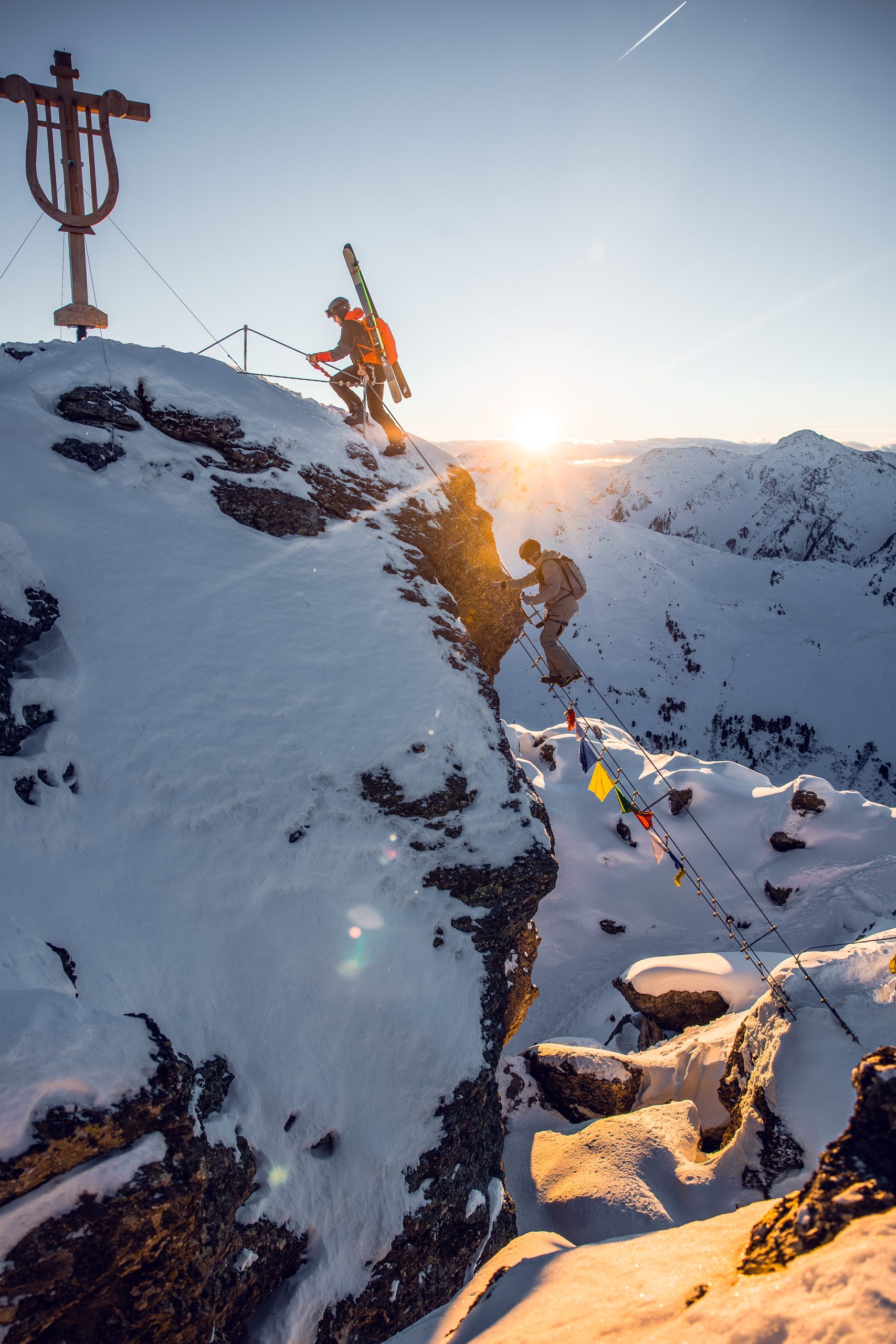
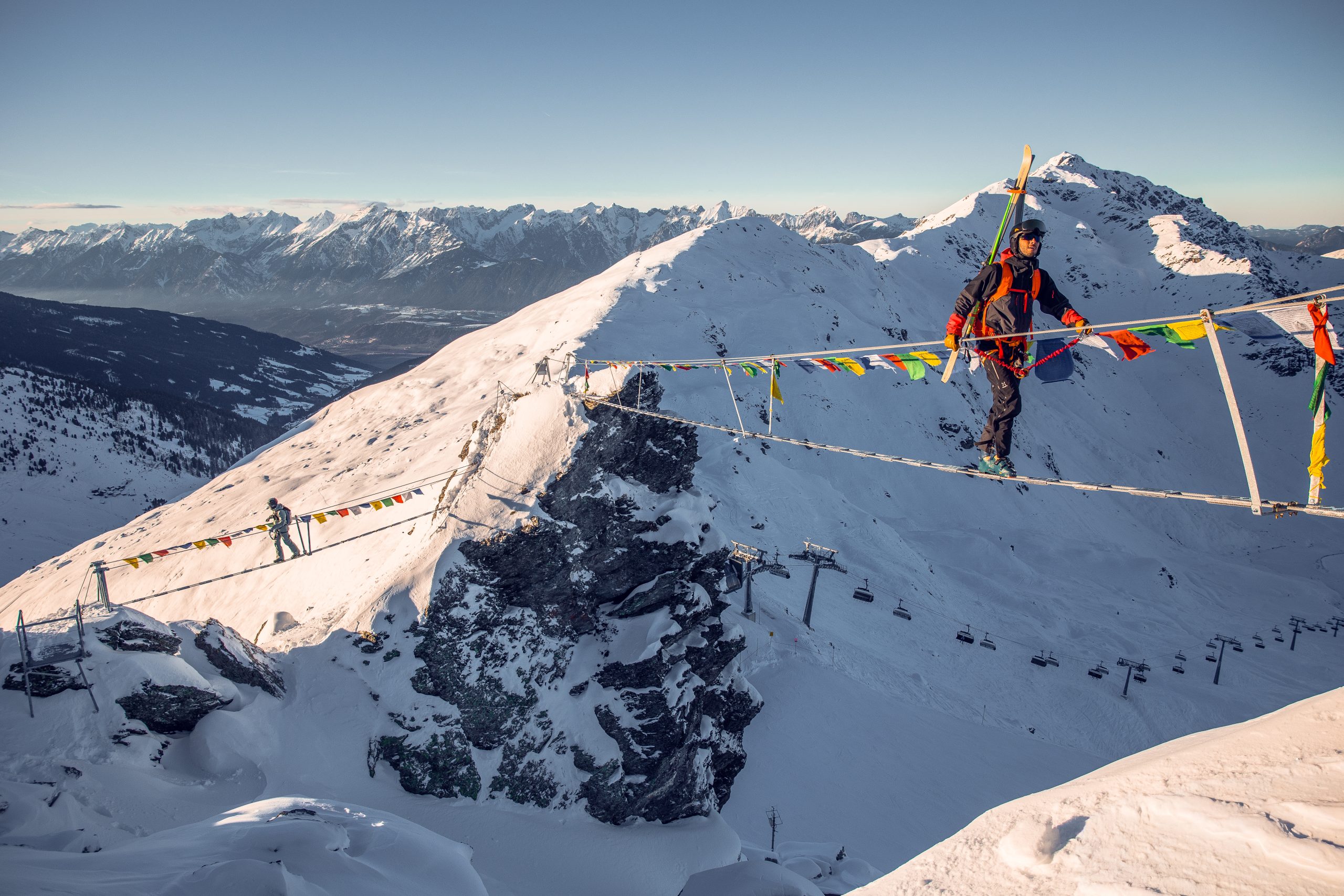
In Hochfügen, the Pfaffenbühel via ferrata offers a special mountain experience away from the ski slopes, even in winter. The 260-metre-long via ferrata leads directly from the Waidoffenbahn at 2,431 metres above sea level, covering an elevation gain of around 115 metres, and has a maximum difficulty rating of B. The required equipment can be hired lo-cally, while the descent is via a hiking trail. The via ferrata is accessible all year round.
New indoor swimming pool in Ehrwald · Tiroler Zugspitz Arena
The extensively modernised indoor swimming pool in Ehrwald will open in November 2026. Energy efficiency, accessibility and family-friendliness are central to the redevelopment. The children’s area will feature a new slide, while a fitness centre and bistro will further enhance the facilities. The new indoor pool will provide an additional opportunity for relaxation and quality family time away from the slopes during winter.
For more information on winter holidays in Tirol, please visit www.tyrol.com/activities/holiday-ideas/winter-holiday.