Fisser Blochziehen 2026
Last updated on 23.12.2025 | Serfaus-Fiss-Ladis
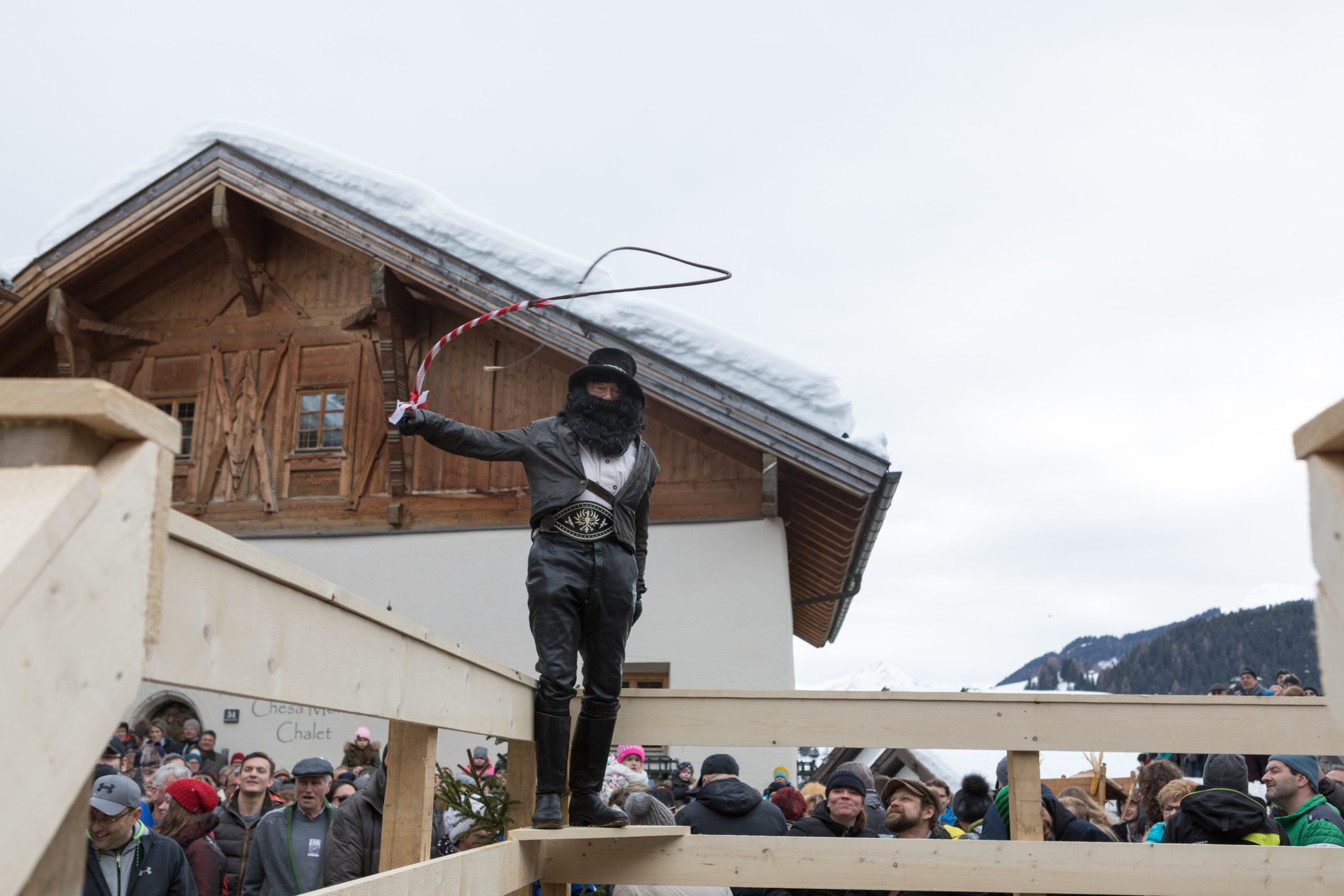
When the carter snaps his whip twice.
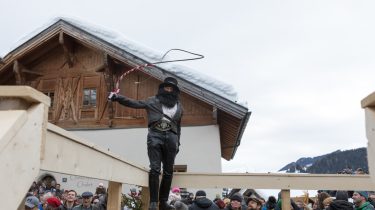
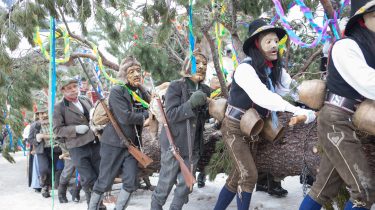
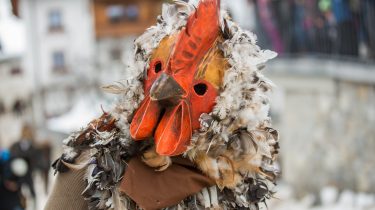
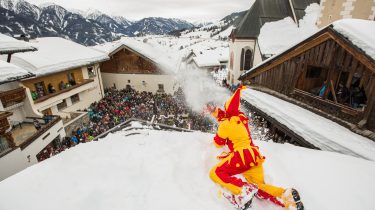
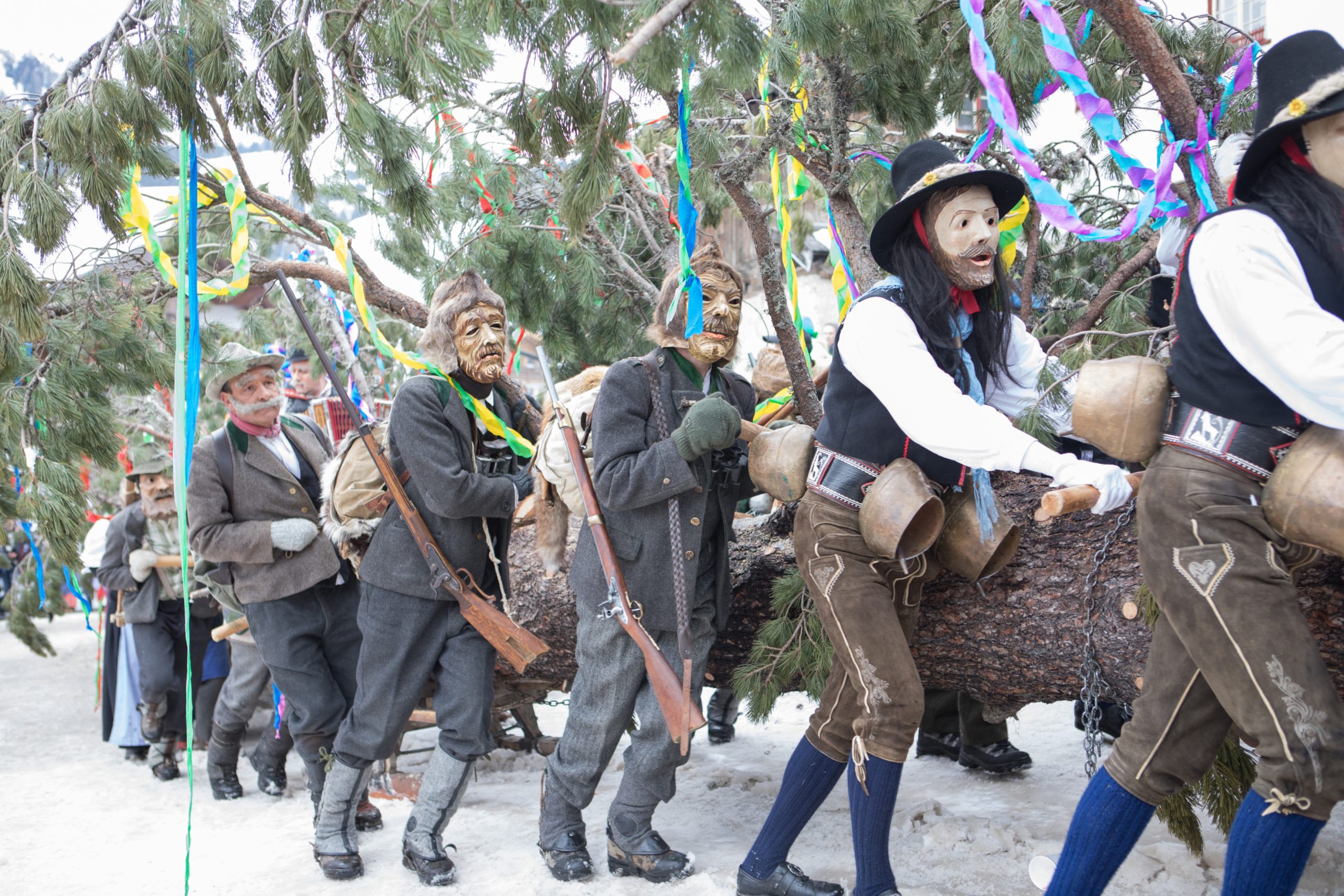
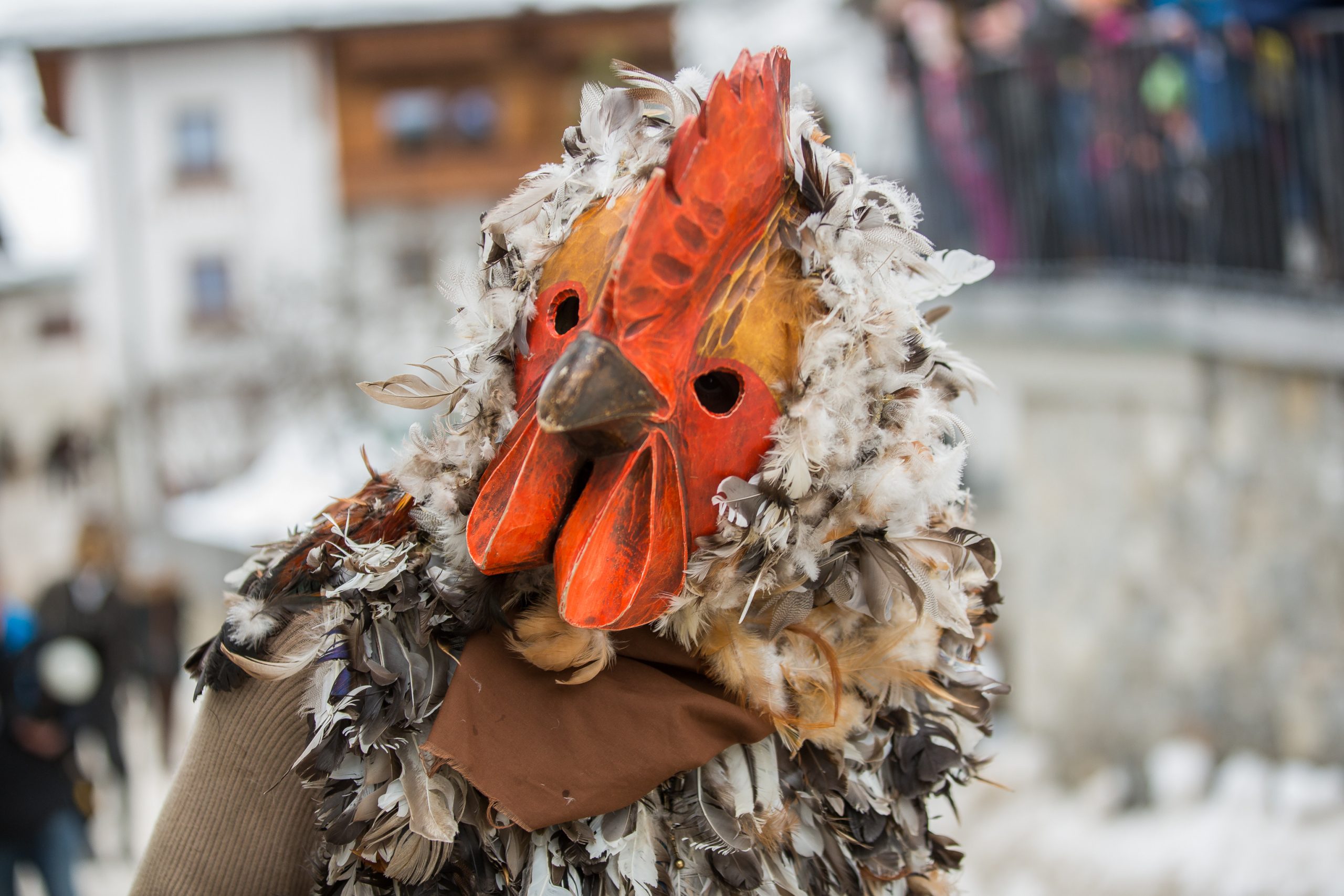
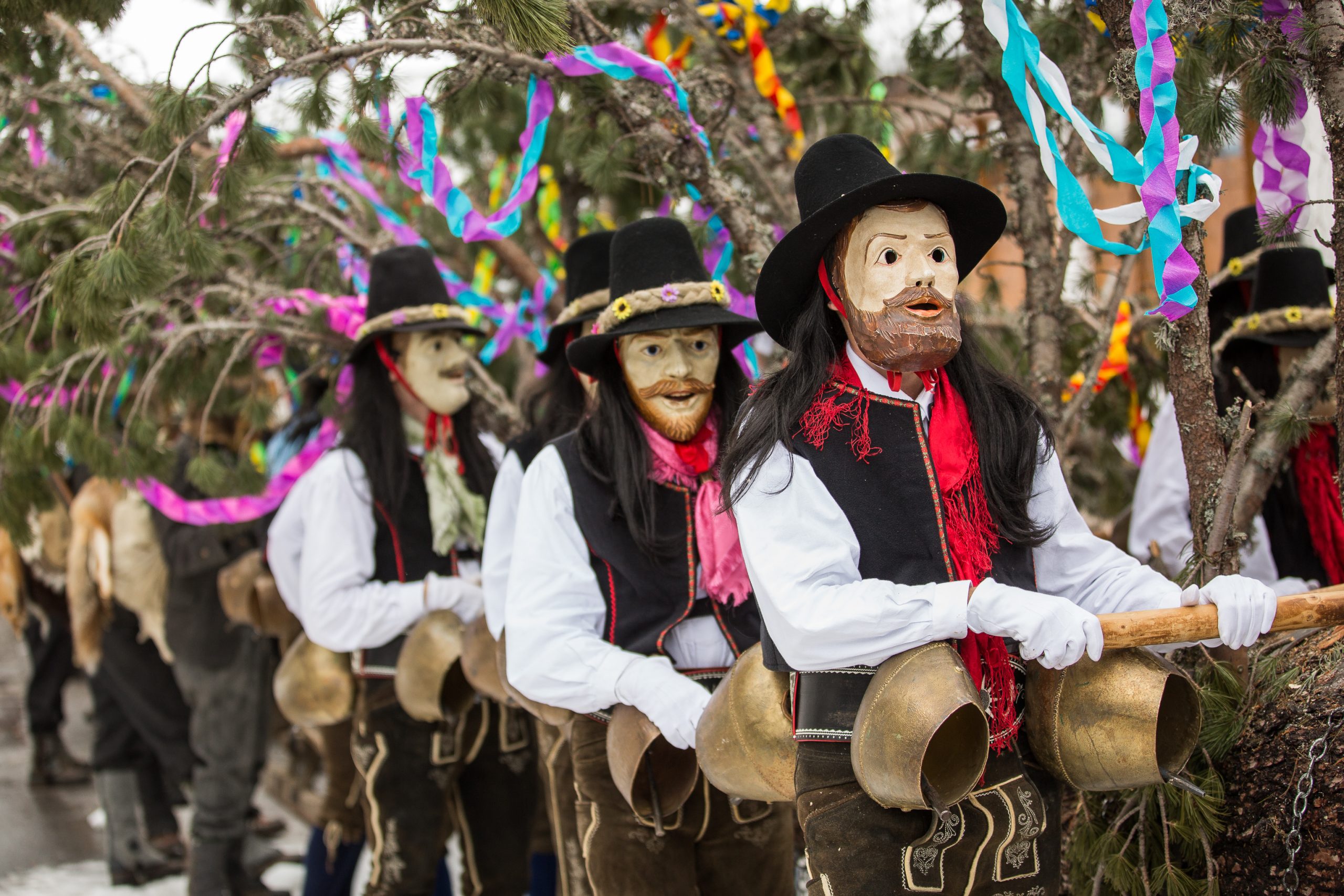
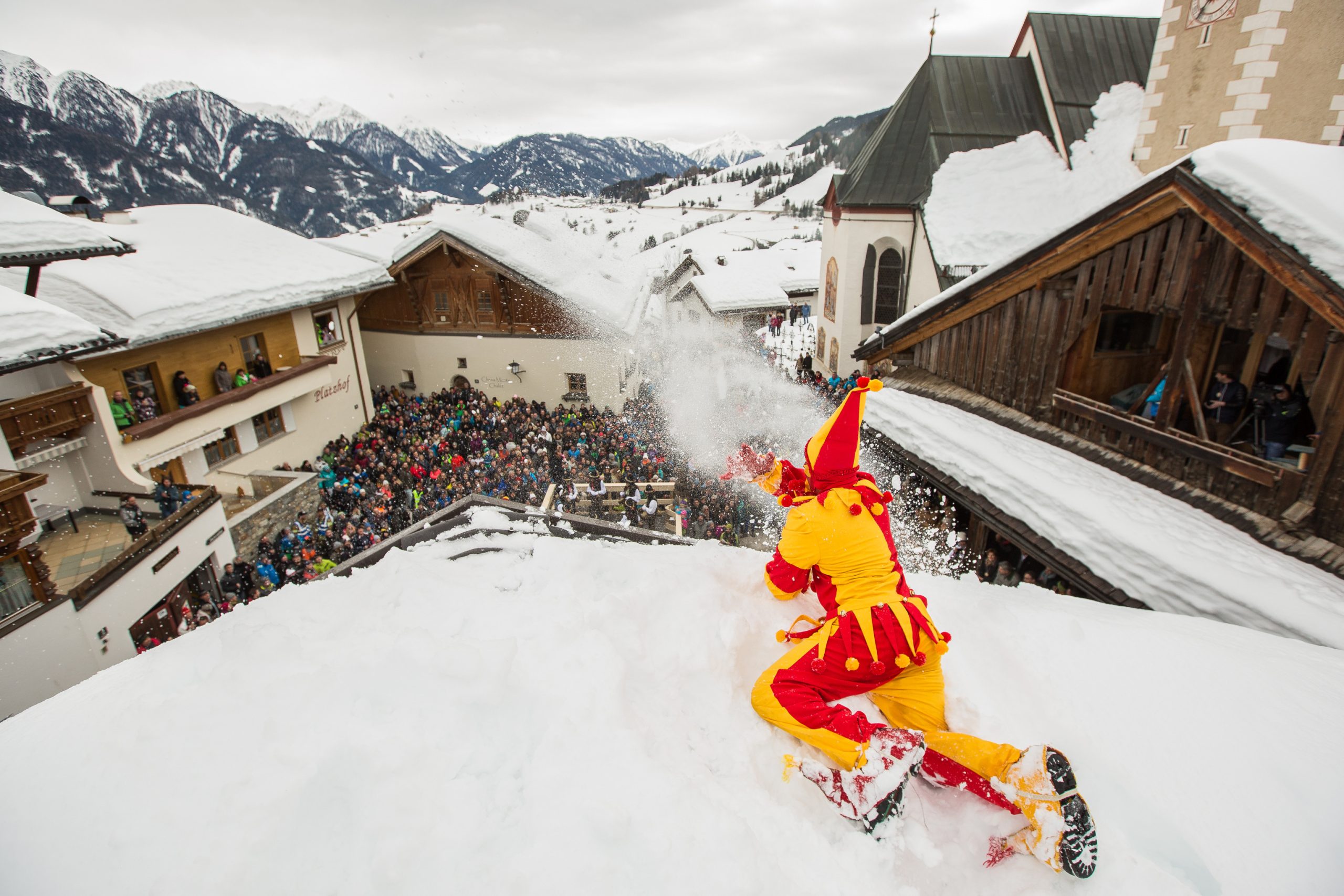
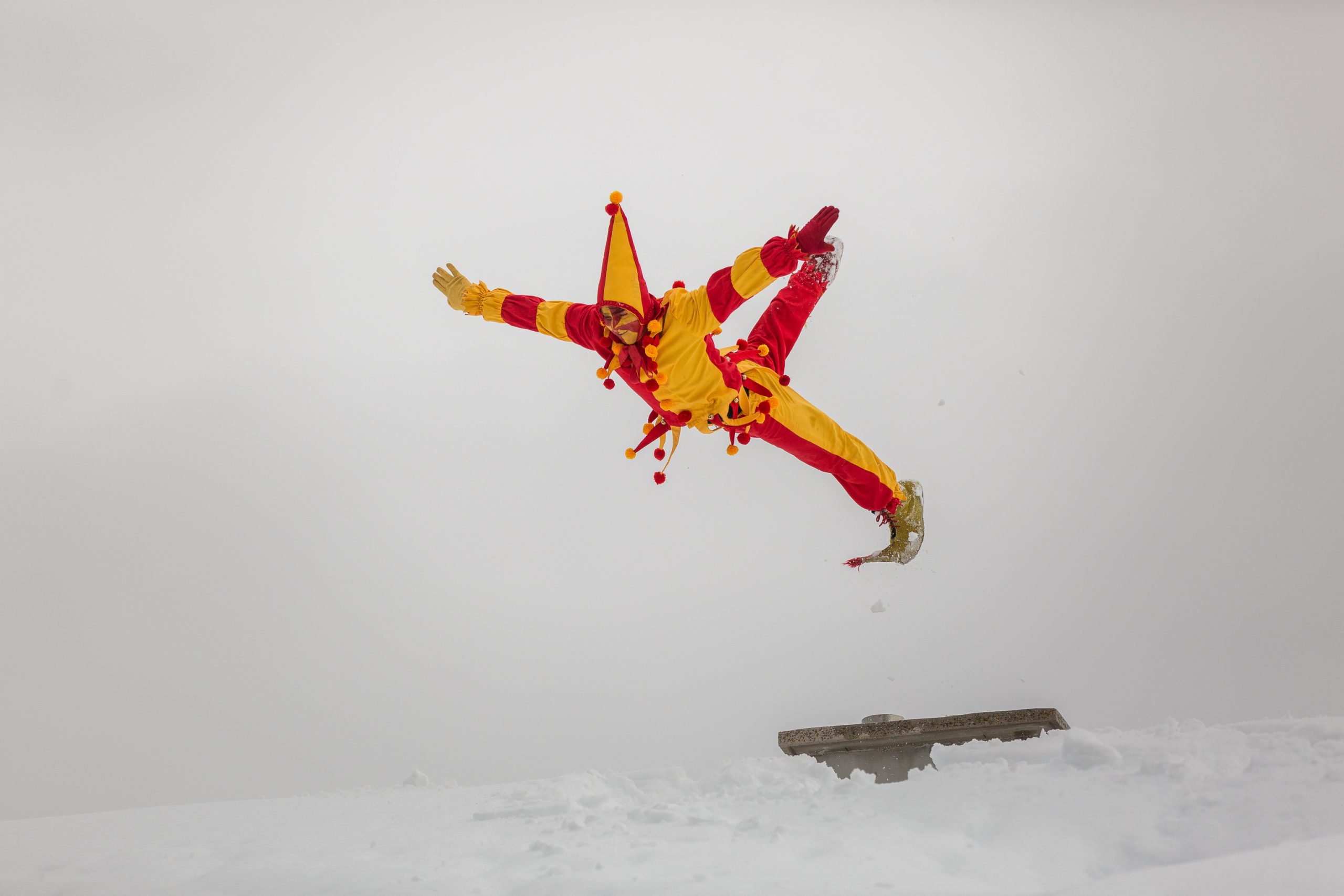
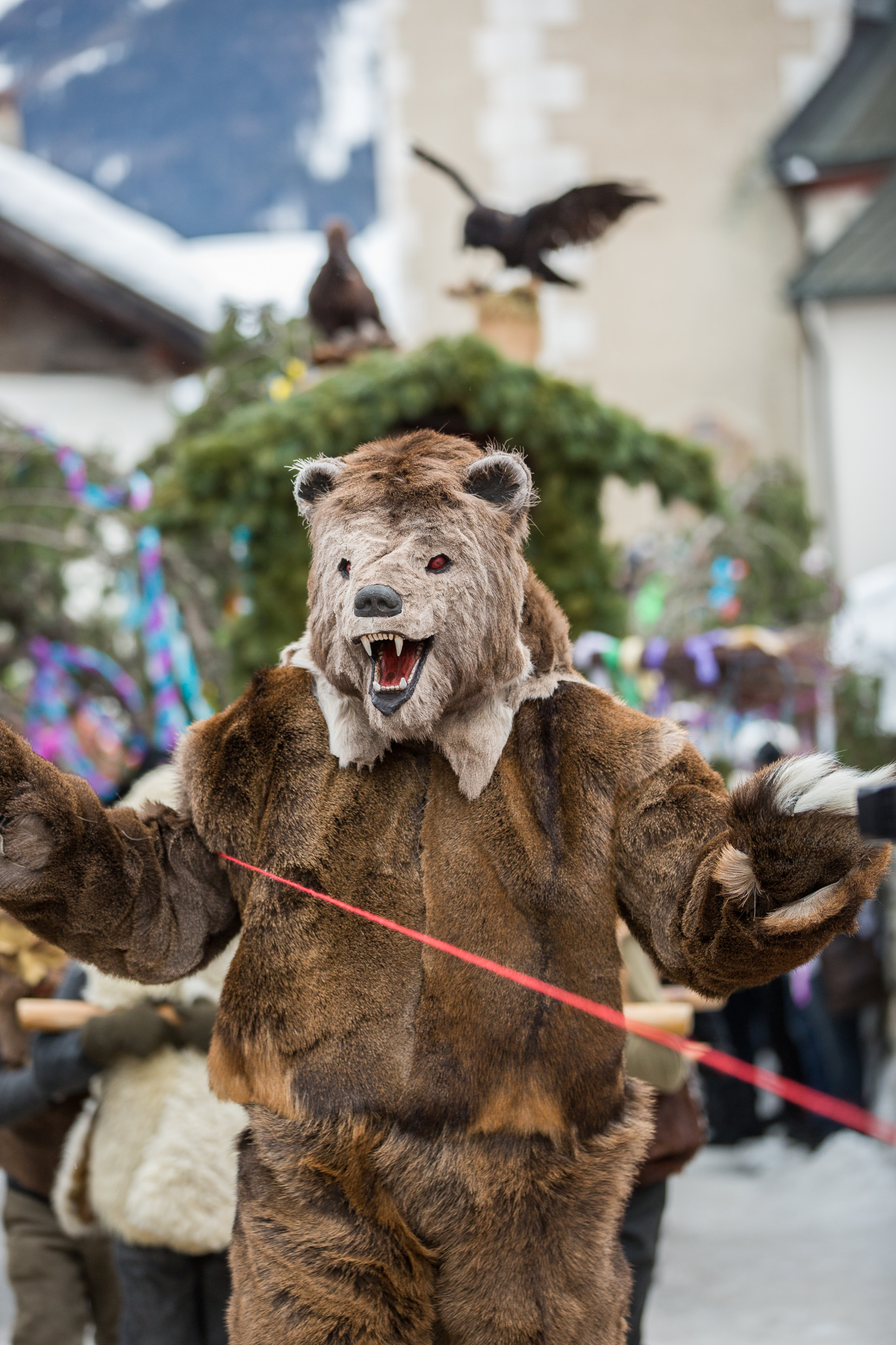
As soon as the church clock strikes 12.30pm on 25 January 2026, Fiss will be transformed into an open-air stage for one of the oldest carnival traditions in the Alpine region. Bells shatter the silence, and the carter takes command with his whip. Witches dance, the Schwoaftuifl taunts, and the Bajatzl cavort on the rooftops, while 60 men in historical costumes and traditional wooden masks pull a 30-metre-long pine log through the village on a wooden sled. A ritual that once served to drive out the winter is now protected as UNESCO intangible cultural heritage and only takes place every four years.
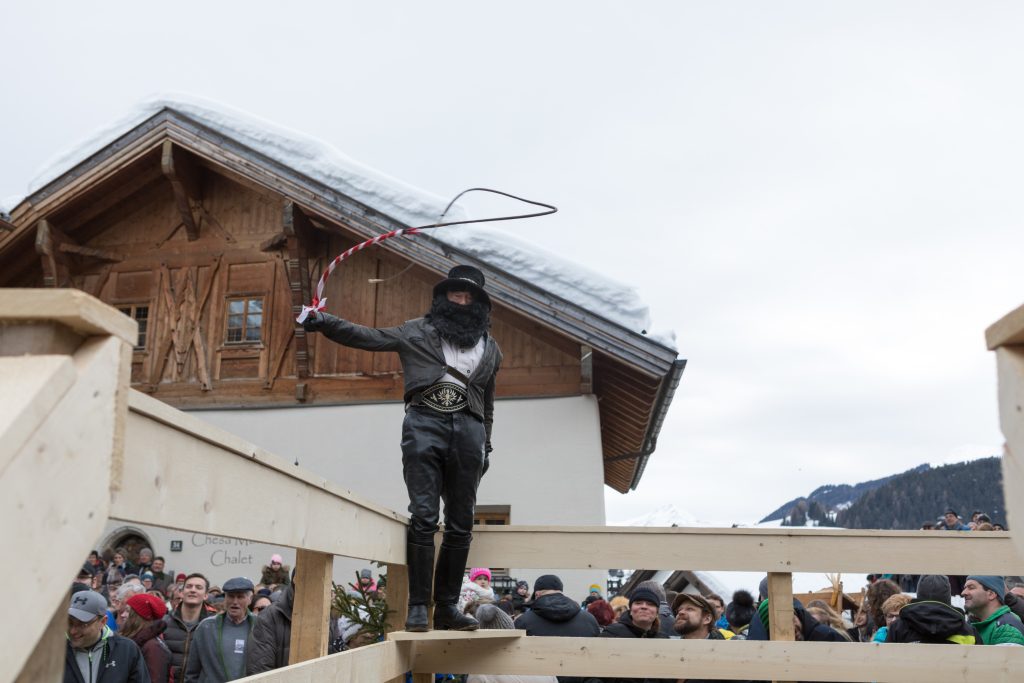
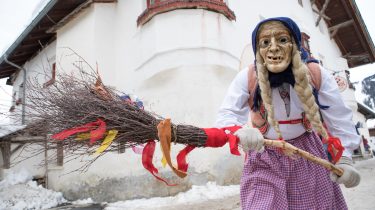
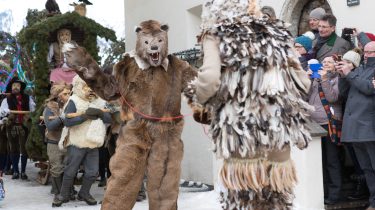
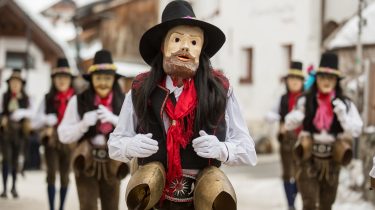
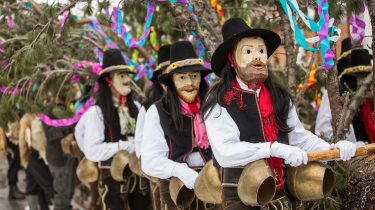
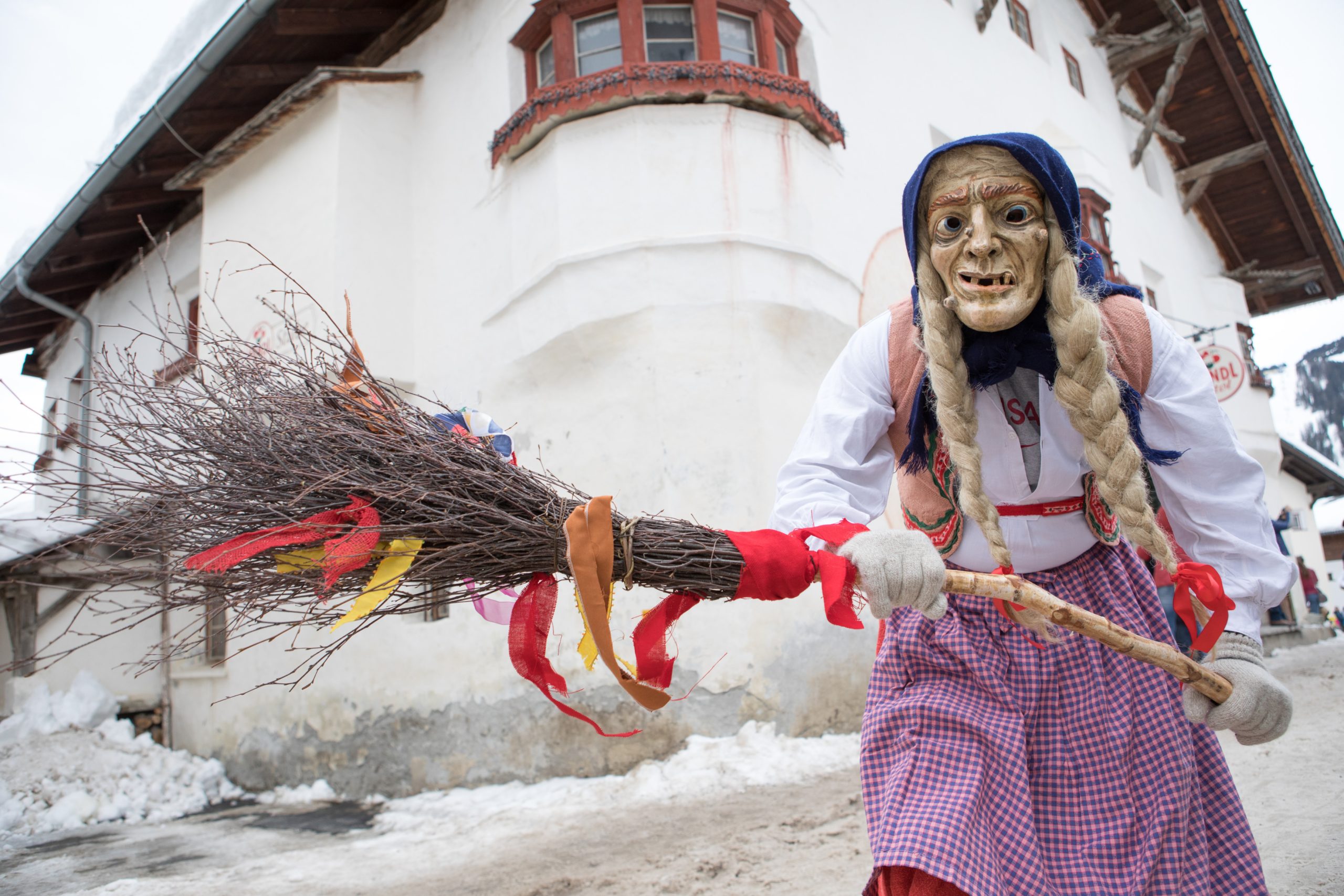
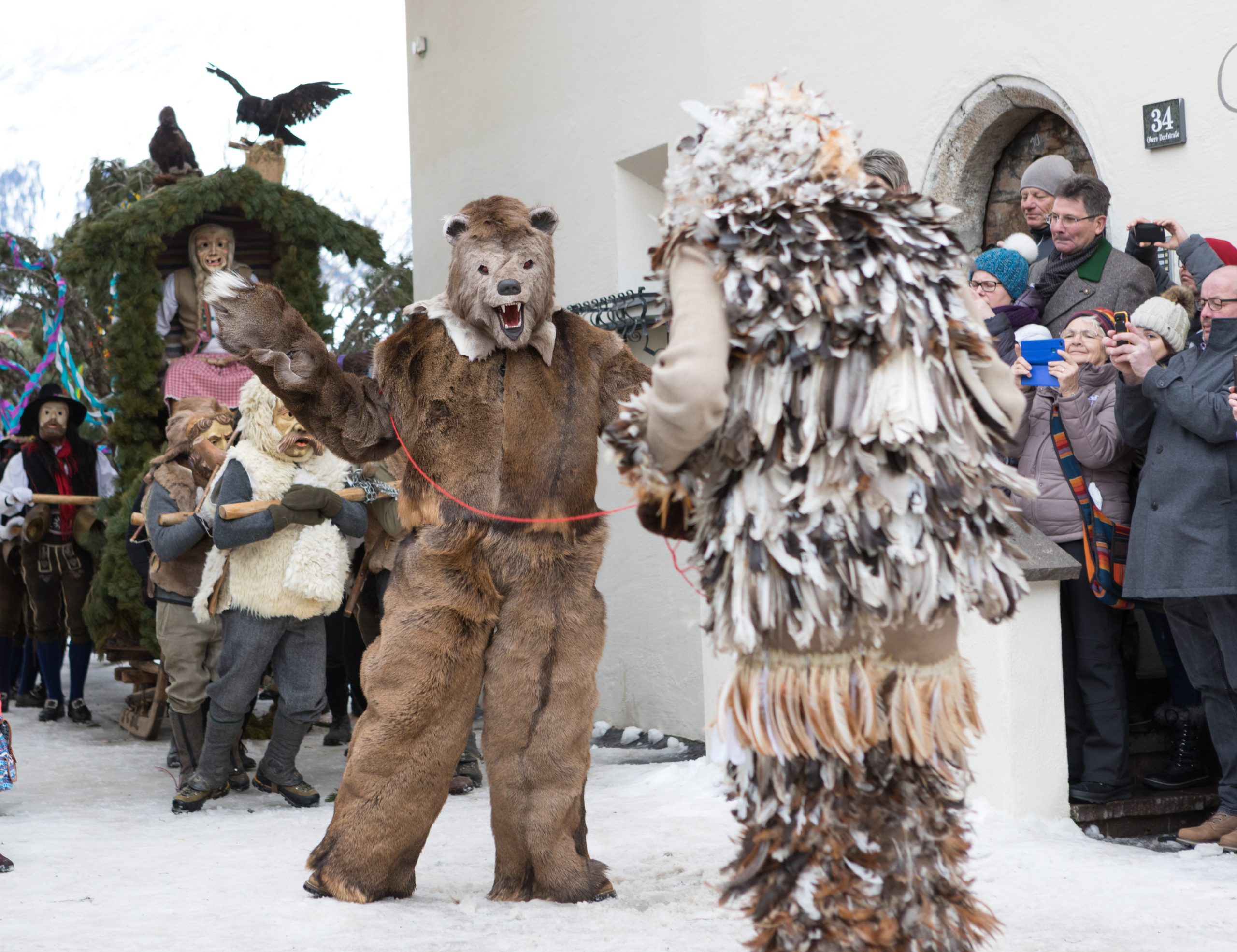
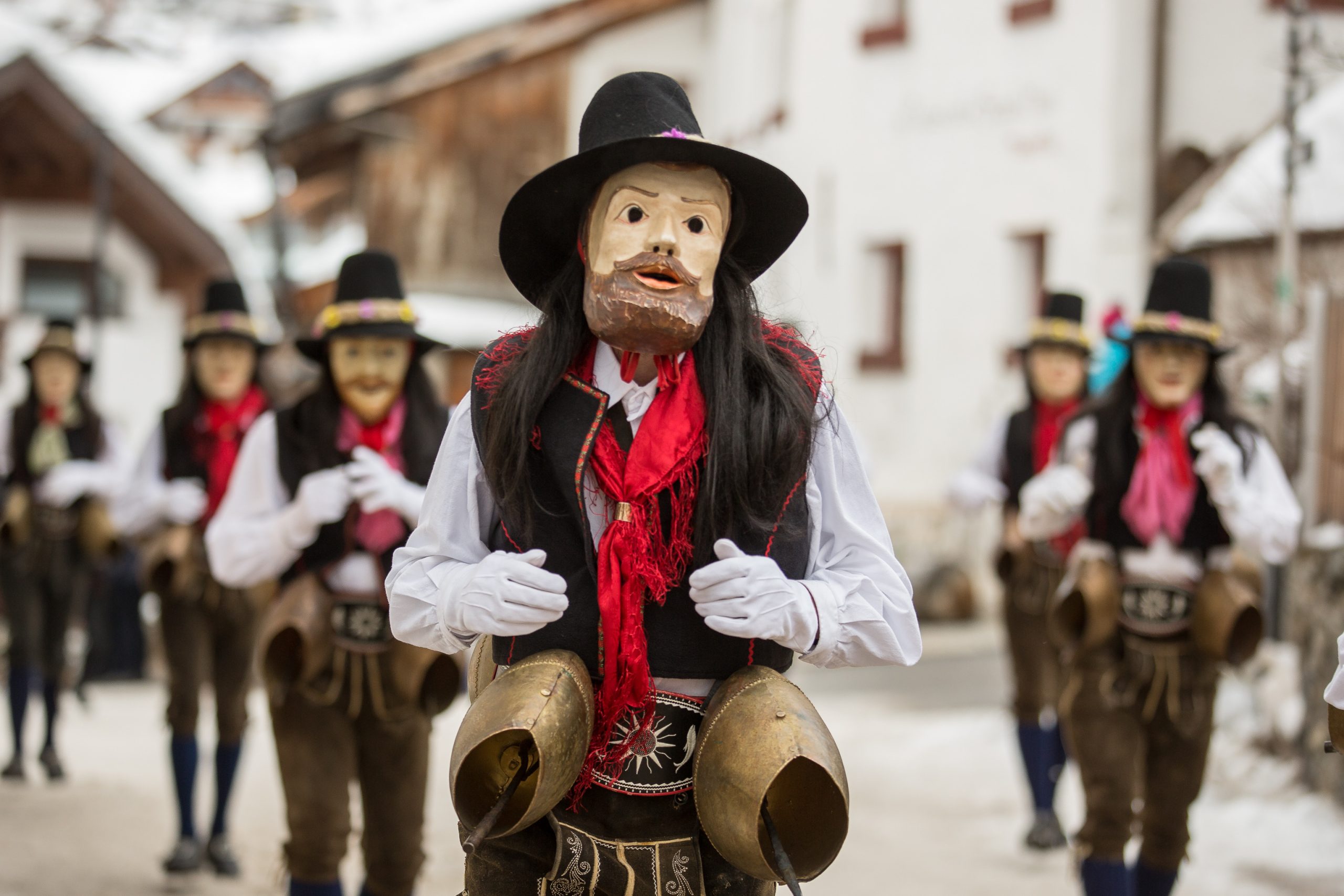
“Iatz geats los” – with this cry, the carter takes charge of a spectacle so old that its origins are shrouded in the deep, dark past. He cracks his Goaßl (whip) once, twice – and the sound echoes through Fiss in the Upper Inntal valley in Tyrol. Behind him, 60 men drag a six-tonne pine log on wooden runners through the narrow streets of the village of 1,056 inhabitants. The Bloch is more than just a tree trunk. It symbolises the plough that breaks up the frozen fields so spring can come. But winter doesn’t give up without a fight: the Schwoaftuifl tries to slow down the log’s progress with his forged pitchfork, and the witches whirl around the Bloch with their brooms, as if trying to sweep it back into the forest. On the rooftops, the Bajatzl cavorts and makes the spectators laugh, while down below, the Schallner drive away evil with their resounding bells.
The Fisser Blochziehen is a pre-Christian custom with elements of a fertility festival. The oldest concrete evidence of a Blochziehen in Tyrol dates back to the late Middle Ages. Every masked character plays a role, and every gesture has a specific meaning. Villagers of all ages are involved. The women create the costumes, while the carvers make the wooden masks. The custom has been protected as UNESCO intangible cultural heritage site since 2011, not as a piece of nostalgic folklore, but as a living tradition that the village revives with every generation. “For us, the Blochziehen is much more than just a spectacle for guests. It’s a piece of our identity, which we pass on from generation to generation,” says Martin Pregenzer, chairman of the Fisser Blochziehen.
The leading figure of the procession in 2026 is the Fuhrmann, or carter, with a firm grip on his Goaßl. “When the carter cracks the Goaßl, and the Bloch starts to move, the whole village holds its breath for a moment,” says Pregenzer, describing the special tension of that day. Together with the Praxer, his closest helpers, the carter steers the sled bearing the pine log, which can be up to 30 metres long, through the narrow streets of Fiss. The Schallner and Mohrelen jump in front of him with their large and small bells, announcing every step. Their friendly masks are meant to drive away evil. They are followed by the Paarlen, the Holzer (woodcutters), and the Jäger (hunters). They all have their assigned roles and are part of a ritual that has followed the same rules for generations. Bringing up the rear is the Schwoaftuifl with his forged pitchfork. He dances around the Bloch, getting in the way, slowing the procession down, refusing to let winter go. The witches sweep their brooms at the spectators, whirling around. An ancient battle of forces: spring against winter, good against evil. The Bloch slides over the layer of snow, crunches past house walls, and gets stuck on tight bends. Thousands line the streets. After three hours, the procession reaches Fonnesplatz, where the mayor finally auctions off the Bloch. The proceeds go to the village community and social institutions.
Tradition and community
It is an honour to be part of the Blochziehen, and almost every family in Fiss is involved. Around 350 men from Fiss over the age of 15 take part in the procession. Originally, the Fisser Blochziehen was a custom for unmarried young men. Since 1969, however, married people have also been allowed to participate. Although the women remain in the background, they are the ones who make the whole thing happen; they spend months sewing the costumes, paint the participants’ faces, and restore the masks and costumes every year. Interestingly, in the past, the Blochziehen only took place if no one in the village had got married in the entire year before. Today, however, the custom takes place every four years. For half a century, there has also been a Children’s Blochziehen, the next one will be in 2028.
More information about Fisser Blochziehen can be found at www.blochziehen.at.
Information about the Serfaus-Fiss-Ladis holiday region can be found at www.serfaus-fiss-ladis.at/en.
About Serfaus-Fiss-Ladis
True to the motto “Moments that last!”, the Tyrolean holiday region of Serfaus-Fiss-Ladis offers varied and carefree winter holidays at the highest level. It is a feel-good place where all visitors can take some time out to relax and enjoy themselves carefree: whether alone, as a couple, or with the whole family. Because in Serfaus-Fiss-Ladis, the mountains have something to offer for everyone, young and old alike. The three historic mountain villages lie on a sunny high plateau above the Upper Inntal valley in Tyrol, surrounded by the distinctive mountain peaks of the Samnaun mountain range and the Ötztal Alps. The holiday region offers all visitors the ideal conditions for a unique winter holiday full of variety at between 1,200 and 2,828 metres above sea level: Activities for winter sports enthusiasts. Variety for the whole family. Adventures for action heroes. Breath-taking panoramas for connoisseurs. Exceptional specialties for gourmets. A holiday that will live long in the memory!
This article was produced independently by Tourismusverband Serfaus-Fiss-Ladis. This organisation is solely responsible for the content, text, images, videos and the accuracy of the information. The relevant contact details can be found below. Tirol Werbung GmbH accepts no liability for the accuracy, completeness or timeliness of the information provided.